 Trip Planning
Rome Travel: Sights, Food, Stays and Day Trips
Rome travel gets easier when you anchor each day's route around a meal. Plan sights, tickets, stays, local tips, and easy day trips with it.
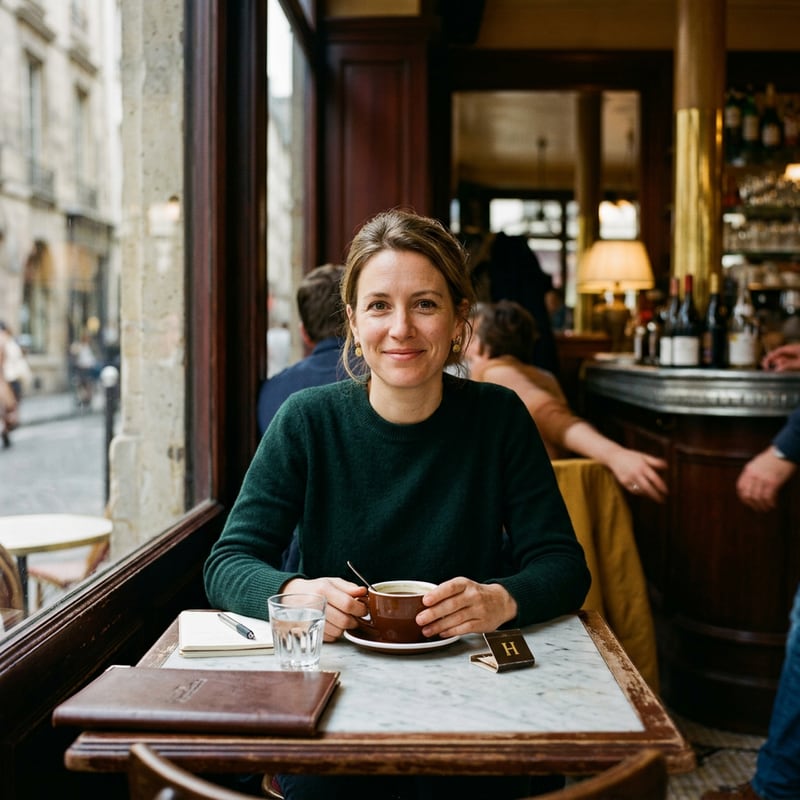
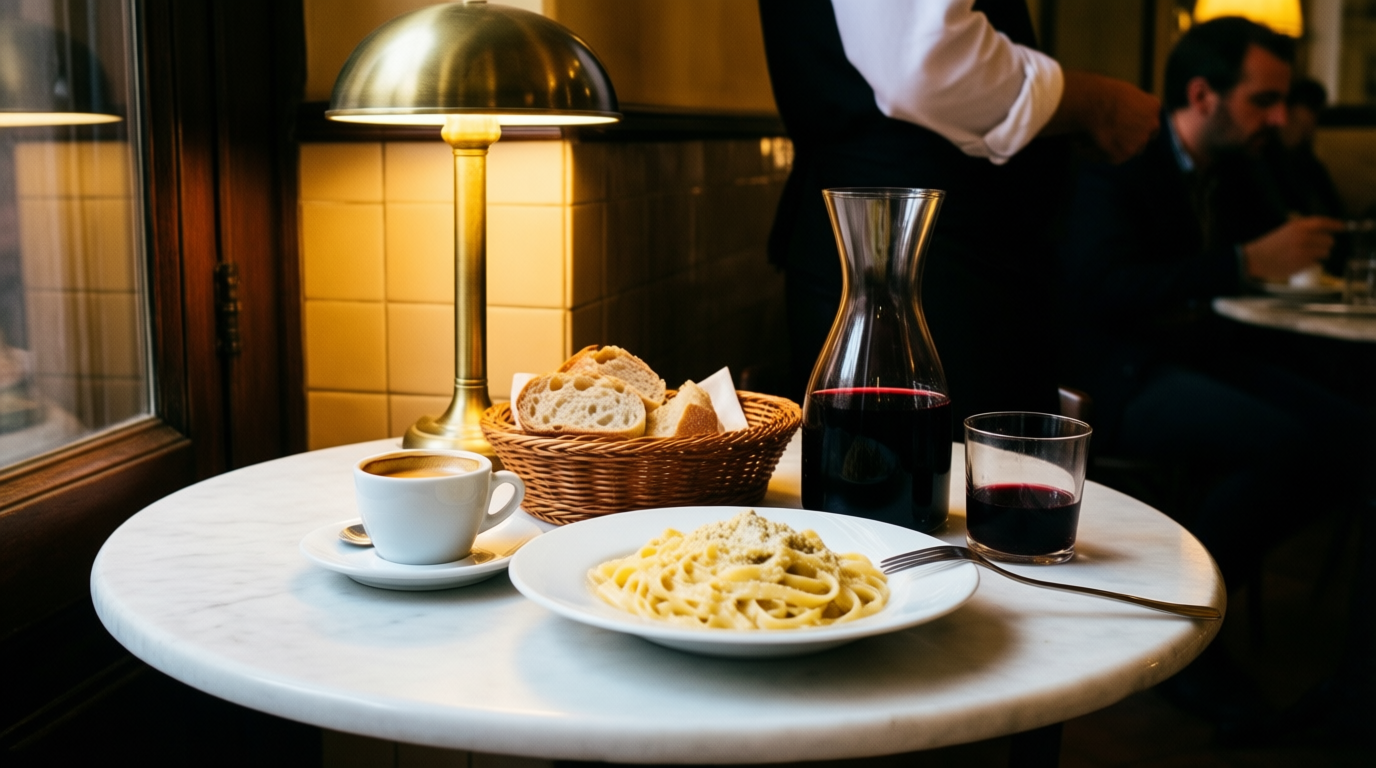
The short versionRome travel means planning a visit around the city’s historic sights, neighborhoods, food, lodging, transport, and possible day trips. Choose a comfortable season, group sights and meals by area, book timed-entry attractions and popular restaurants ahead, and leave room to rest and wander. In practice, a few well-chosen stops and meal-centered days make Rome easier to explore without rushing across the city.
Think about the last time you planned a Sunday lunch for friends. You checked who was coming, what they liked, and which table you could actually get, then built the rest of the day around that one meal. Rome rewards the same kind of planning.
Here’s the short answer: a good Rome trip covers the sights, food, stays, timing, and day trips. This guide covers all of that, then adds a meal-by-meal layer so each day’s route is anchored around where you’ll eat.
Planning Your Rome Travel
Rome gets easier once you settle three basics: when you go, how you arrive, and how you get around. Sort those first, and your meals and sights fall into place.
The best time to go
The best time is usually the shoulder season, the spring and autumn stretch between peak summer and quiet winter. Summer brings heat and crowds, so walk early and save midday for lunch or an indoor stop. Winter often means lower prices.
Easter is the exception: the city fills up, so book lodging early if your dates overlap. Plan for when the crowds thin, not just whether the weather holds.
Arriving in Rome by air or train
Your flight will land at Fiumicino or Ciampino, so check which one before you book a ride. The airport train runs to Termini, the city’s main station. A taxi or Uber suits late arrivals or heavy bags, so confirm the fare first.
Arriving by train from another city? Termini is likely your stop too.
How to get around the city
Walking is the default, since the old streets are best seen on foot. The metro covers longer hops but won’t reach every corner, and driving in the historic center is more hassle than it’s worth. Take a taxi for far-off sights.
Plan each day around one neighborhood cluster: sights, walks, and meals in the same area. A morning in one district, lunch nearby, and a walk home for dinner beats zigzagging across town.
Where to go in Rome in 3 days?
Think of a reader with three days and a list of lunches they don’t want to miss. They pick one major sight each morning, then give the afternoon to a long lunch and a slow walk.
- Day one: the ancient center, one major site, then lunch nearby.
- Day two: a second district, with its churches and museums.
- Day three: a neighborhood chosen for its food, with time to wander.
Limit major sites to one or two a day, and pace yourself by planning for fewer sights, not faster ones. With four or five days, add a neighborhood rather than cramming more into three. Rest is part of the plan.
Save money with passes and free days
Is $1,000 enough for a week in Italy? It can be, depending on where you sleep, how often you sit down for dinner, and how many paid sights you add. We don’t have verified cost figures for Rome, so build your estimate by category:
- Lodging: the line most shaped by your dates.
- Meals: counter lunches plus one or two sit-down dinners.
- Transport: metro, the airport train, and occasional taxis.
- Sights and passes: entry fees for your list.
Italy uses the euro, so convert your total before planning daily spending. How much does a week in Rome cost? It swings with those choices, so the category estimate is the honest answer.
A Roma Pass pays off only if you’ll use the sights it covers. Many churches are free to enter, which makes them a good gap-filler between sights; dress modestly to respect the space.
Rome’s state museums take part in the Ministry of Culture’s Domenica al Museo scheme, which offers free entry on the first Sunday of every month. Free isn’t the same as quiet, so expect crowds.
Passport and visa rules to know
Make sure your passport is valid for your whole stay, and check its expiry date before you book.
Many travelers can enter without a visa for a visa-free stay under 90 days, but confirm the rules for your own passport before you fly. Check it now, not at the gate.
The Top Sights Worth Your Time
Rome’s sights run from ancient ruins to painted ceilings and quiet lookouts. Here’s how to choose the ones that fit your days.
Ancient landmarks from Rome’s past
Start at the Colosseum, then walk the Roman Forum beside it, where the old civic heart of the city lies open to the sky. The Pantheon is worth a stop for its domed scale, and the Palatine Hill and Trajan’s sites offer ruins and views at a calmer pace.
Finish with the Roman baths and the catacombs. Consider a couple with one free morning: they reach the Colosseum early, walk the Forum, climb the Palatine, and still make lunch with time to spare.
What to see in Vatican City
Give the Vatican its own half-day. St. Peter’s Basilica is the centerpiece, and its dome is worth the climb for the view over the square.
The Vatican Museums lead you through long galleries to the Sistine Chapel, where Michelangelo’s painted ceiling is the main draw. Add the Scavi tour, which takes you beneath the basilica. Slow down in the Chapel.
Museums, galleries and churches to visit
Rome’s indoor collections hold plenty of great art, so you don’t need to see it all. For example, a traveler with one rainy afternoon can pick one gallery and a church, then leave with a few works they actually remember. Book the Borghese Gallery ahead.
The Capitoline Museums sit beside the Forum, while the Doria Pamphilj and Colonna galleries offer palace rooms. Free Caravaggios in churches are a bonus, and Michelangelo works turn up beyond the Vatican too.
Aim for fewer rooms seen properly rather than many seen in a rush.
Squares, fountains and monuments to see
Rome’s squares are as much about people-watching as monuments. The Trevi Fountain draws the biggest crowds, so arrive early and toss a coin in.
Piazza Navona is a long, oval square full of fountains, and the Spanish Steps are ideal for watching the city go by.
Piazza del Popolo is a broad, open square, and the Victor Emmanuel Monument makes a handy landmark for getting your bearings. Pick your hour, not just your square.
Hidden gems and scenic lookouts
Some of Rome’s best views come from quieter corners than the postcard spots. Here are five picks for a slow afternoon:
- Orange Garden and Pincio. Leafy views from the Aventine’s Orange Garden, plus the hilltop Pincio.
- Aventine keyhole. Peek through for a framed view you won’t forget.
- Aventine Hill walk. A quiet loop past gardens and churches that many visitors miss.
- Contemporary art at FOROF. Something current after all that ancient stone.
- Art Deco residence tour. A guided look inside a historic home in a very different style.
Join locals for everyday culture
Some of Rome’s best moments happen when the locals are out.
Consider a solo traveler on their last night: they join the passeggiata, the evening stroll when locals head out to see and be seen, then finish with a glass of natural wine (wine made with minimal intervention) at a neighborhood bar.
They leave with a neighborhood they’ll remember. If the schedule works, catch an A.S. Roma (the city’s main soccer club) match, and wander the neighborhood strolls on foot. Go in the evening. That’s when Rome comes outside.
Tours and Tickets Worth Booking
Rome rewards a little planning. A few well-timed bookings decide whether your morning goes to sights or queues.
Guided tours and audio options
Local guides prioritize sights, so your limited hours go to what matters most. Choose from these formats:
- Retro Fiat 500 tour. Cover the city in a vintage Fiat 500, and make the ride part of the fun.
- Colosseum night tour. See the arena after the day crowds have gone.
- Audio tours. Listen at your own pace and move on when you’re ready.
Guides tell you why a site matters, while audio tours tell you what you’re looking at. Think of a couple with one free evening: the night tour lets them stand in the arena while it’s quiet.
Skip the lines by booking ahead
Skip-the-line tickets take you past the main ticket queue and straight to a timed entry. Security queues can still form at busy sites, even with a ticket, so arrive a little early.
The Colosseum has capacity limits, so popular slots sell out. You’re not just buying a ticket. You’re buying a time you can count on. Book Scavi months ahead, since the underground excavation tours fill early.
Consider a traveler with a lunch booking near the Colosseum: a timed morning entry means the queue never cuts into the meal.
Museum hours and when to go
Go early. Opening time brings the quietest rooms, so you see the highlights before the crowds arrive.
Monday closures catch plenty of travelers out, so check each site’s opening days first. Summer extended hours can open up evening visits, so check the summer schedule if you’re visiting in warmer months.
Late afternoon visits flip that order: lunch first, sights second. Eat first, then go.
What to Eat and Drink
Rome runs on a handful of classics, so knowing what to order makes every meal easier. Here’s what to eat, where to eat it, and when.
Classic Roman dishes to try
Start with cacio e pepe and carbonara, two pastas on nearly every trattoria menu. A home cook who tastes cacio e pepe in Rome learns what a good version should taste like, which makes the Sunday attempt far easier.
Try artichokes as a side, and grab a supplì, a fried rice ball with a molten mozzarella center, for a snack on the move. For lunch, order pizza bianca, a plain, oily flatbread, or pizza rossa with tomato.
Order one small offal plate if you’re curious, and follow the kitchen’s daily pick for seafood.
Where to eat on every budget
Here’s how the options break down:
- Splurge: Michelin-starred restaurants, which need booking well ahead.
- Mid-range: Trattorias serve a full menu of Roman classics, while pizzerias focus on pizza.
- Budget: Sandwich counters and pizza-by-the-slice spots keep lunch cheap.
Pasta is the safe bet at almost any price, so a plate at a neighborhood trattoria is rarely a mistake.
Gelato, coffee and bakery stops
For authentic gelato, choose natural shades over neon ones. Famous gelaterias draw long lines, and the wait is worth it if gelato is the point of your trip.
Drink espresso standing at the bar, as locals do, and it often costs less than a seat. Go early to historic bakeries, since the good ones can sell out by late morning. For something bright, order a spremuta, freshly squeezed orange juice.
Sipping wine and aperitivo in the evening
An enoteca is a wine bar where you can taste by the glass, and many pour natural wine, made with minimal intervention. Ask staff what they’d pour for themselves.
Aperitivo is the pre-dinner drink, often with small bites, and piazzas fill with people doing it in the early evening. Think of a couple who wants an easy night: an aperitivo in a piazza, then one glass at an enoteca before dinner.
The payoff is a relaxed evening with no rush. For a last drink, a nightcap bar offers a quieter ending.
Food tours and local markets to try
Guided food tours pack several tastings into one walk, which helps if you’re new to the city. Choose tasting operators that describe each stop clearly and keep groups small enough to hear the guide.
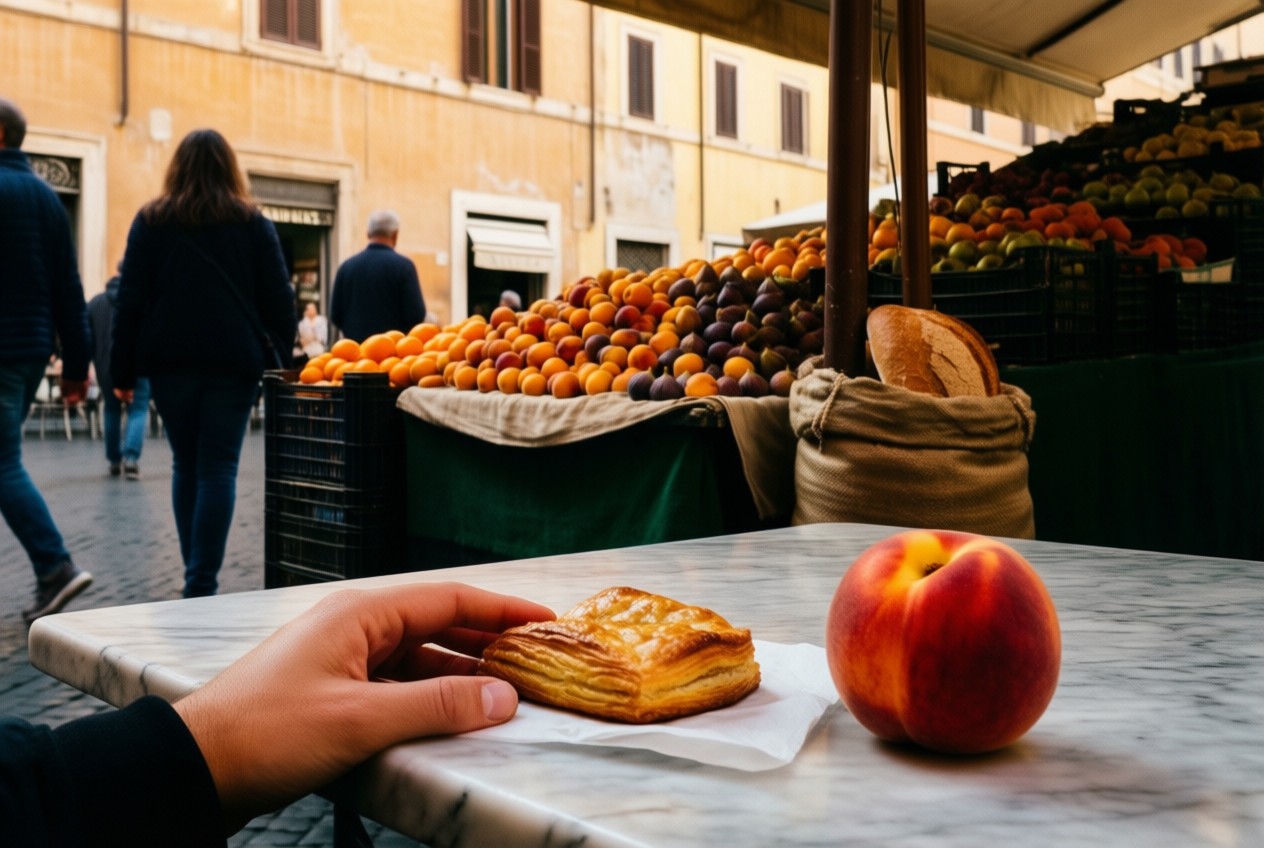
Campo de’ Fiori is a market square with stalls selling fresh produce. A solo traveler with a free morning can grab a bakery snack and some fruit, then eat in the square and move on.
How dinner works in Rome
Dinner runs on a different clock, so plan around when the kitchen is ready, not when you’re hungry.
- Late dinner times. Romans eat later than many visitors expect, so aim for later in the evening.
- Ask for the bill. Staff usually won’t bring it until you ask, so say il conto when you’re ready.
- Cover charge sitting down. A coperto is added when you sit, so it sits on top of the menu prices.
- Tipping not expected. Leave a little extra only if the service earned it.
- Slot lunch and dinner into itinerary. Build each day’s route around both meals.
Think of a couple with a long walking afternoon: they book dinner late, so the walk never feels rushed. Book the table first, then fill in the rest.
Picking Where to Stay
Where you sleep decides how much of Rome you see. It’s less about the room and more about which street you wake up on.
Splurging on luxury and boutique hotels
Try a boutique hotel for a smaller, more personal stay, or a palace hotel in an old noble building or converted monastery. Spa and rooftop options add comfort, but check whether they’re included in the rate.
Couples planning a special weekend often choose a rooftop for one sunset drink they’ll remember. A historic center base means you spend your time on the sights, not the commute.
Which neighborhood suits your trip
Each area trades something, so we’d match it to the trip:
- Near Spanish Steps: suits a traveler who wants lively evenings and café stops nearby, and doesn’t mind crowds.
- Local Parioli district: a quieter, neighborhood-feel base with the center a ride away.
- Walkable to sights: the practical pick when you want to step out the door and start seeing things.
- Near Vatican: picture a couple with an early morning booked at the Vatican and an afternoon in the historic center. Staying close means no crossing the city before breakfast.
Choose the street first.
Apartment rentals and standout stays
A design-led apartment gives you a kitchen and a space with character, so a market haul can become breakfast at home. Penthouse rentals suit a group: more room means a Sunday lunch in, not a table for six across town.
Hotel courtyards can be calmer than street-facing rooms. If traffic noise keeps you up, ask for a room facing one.
Local Customs and Tips That Help
Rome runs on its own rhythm, so a few local habits go a long way.
What to wear and how to act
Dress for the churches first: cover your shoulders inside, and pair a light scarf or sleeved shirt with comfortable walking shoes, since Rome is best seen on foot.
Stylish local dress means smart casual. Clean lines and neutral colors blend in better than athletic gear. It’s less about fashion than about fitting in.
Try a few Italian phrases, like buongiorno on the way in and grazie on the way out. Greet the baker first, and you’re more likely to hear about the day’s best pastry.
What not to pack: leave the oversized rolling suitcase at home. For what’s allowed through customs, check Italy’s official guidance before you fly.
How the day flows in Rome
Many shops close in the afternoon for riposo, the traditional midday rest, so do your errands in the morning or early evening.
Service is unhurried, so a meal can stretch into the evening. Settle in. Dinner also starts late, so book a later table or make lunch your main meal.
Is Rome safe for US travelers now?
Is Rome safe for US citizens right now? For most visitors, the everyday risk is petty theft, so aim for awareness, not fear. Watch for pickpockets in crowds, on buses, and at busy transit hubs.
Think of a traveler at the Trevi Fountain, phone out for a photo with a bag slung over one shoulder. Zipping it and wearing it in front takes two seconds and keeps the wallet out of reach.
Don’t sit on the edge of the Trevi Fountain: stand, snap your photo, and move along.
Safety advice changes, so check the current official travel advice for Italy from the U.S. government before you book.
Easy Day Trips from Rome
Rome makes a good base for day trips, and the options below fit into a single day without much fuss. Here’s where we’d send you, and how to plan lunch around each one.
Ancient sites and hilltop towns nearby
Think of a couple with one free Saturday who want history in the morning and a slow lunch in the hills. Ostia Antica is an ancient port town, and it’s a morning outing you can see at your own pace. Go early.
The villas at Tivoli are a longer trip, with gardens to stroll and time to linger over lunch. Orvieto is the hilltop town to pick when you want a walk through old streets and a meal at the top.
Plan to eat around midday, and leave the afternoon for wandering back down.
Countryside and lake escapes
Picture a family with a hot afternoon to fill: a swim at Lake Bracciano and a late lunch on the shore make for a relaxed day. Campagnano Romano is a smaller town, better suited to a quiet walk than a busy outing.
A castle visit fits well between stops, so the day doesn’t feel rushed.
The Appian Way (Via Appia Antica) is the old road out of Rome. A stroll along a stretch of it makes an easy half day close to the city, with lunch on the way back.
Rome is easier to enjoy when the pieces fit together: the sights you’ve chosen, a stay within walking distance of the meals you care about, tickets booked ahead, and day trips that fit around it all.
Pick the meals first, and the rest of the itinerary tends to follow.
Keep some of each day loose, too. The best afternoons often start with a side street you didn’t plan to take.
Plan the meals, and let the city surprise you with the rest.
References
- Il 1° febbraio torna l’appuntamento con la Domenica al Museo — musei.cultura.gov.it (2026)
Questions
What is the best month to travel to Rome?
April, May, September, and October are usually the best months to visit Rome. These shoulder-season months generally avoid the worst summer heat and crowds, though Easter can make the city especially busy.
How much time does it take to tour Rome?
Three days is enough for a highlights-focused visit, with one or two major sights each day and time for meals and wandering. Four or five days lets you add neighborhoods or museums at a more relaxed pace.
How do you get around in Rome?
Walking is the best way to explore Rome’s historic center. Use the metro for longer trips, and take a taxi for distant sights; driving in the center is usually more trouble than it is worth.
How much does it cost to visit Rome for a week?
There is no single fixed cost for a week in Rome: lodging dates, meal choices, transport, and paid attractions make the biggest difference. Estimate each category separately, and remember that Italy uses the euro; a $1,000 budget may work with inexpensive lodging and careful spending but may not cover a more comfortable trip.
Is it safe for US citizens to travel to Rome right now?
For most US visitors, Rome is generally manageable, with petty theft such as pickpocketing the main everyday concern. Stay alert in crowds and on public transport, secure your belongings, and check the current U.S. government travel advice for Italy before departure.
Do and don'ts in Rome?
Do greet people with buongiorno and grazie, dress modestly in churches, and keep an eye on your belongings in busy areas. Don’t expect dinner to start early, rush restaurant service, or drive through the historic center; ask for il conto when you are ready to pay.
Is $1000 enough for a week in Italy?
Possibly, if the $1,000 is for on-the-ground expenses and you choose budget lodging, inexpensive meals, and few paid attractions. It is unlikely to cover a week comfortably if it must also include international flights, and the total depends heavily on accommodation and travel dates.
What not to bring into Italy?
Avoid bringing prohibited or restricted items, such as illegal drugs, weapons, counterfeit goods, and certain animal or plant products. Customs rules depend on the item and its origin, so check Italy’s official customs guidance before traveling; pack light, since oversized rolling luggage is inconvenient on Rome’s streets.
Sources
- Il 1° febbraio torna l’appuntamento con la Domenica al Museo – Direzione generale Musei, musei.cultura.gov.it,