 Trip Planning
Bosnia Travel Guide: Cities, Nature, Food and Planning
Bosnia travel starts in Sarajevo, then reaches Mostar, mountain nature and eastern Bosnia; get practical advice on budget, entry rules and safety.

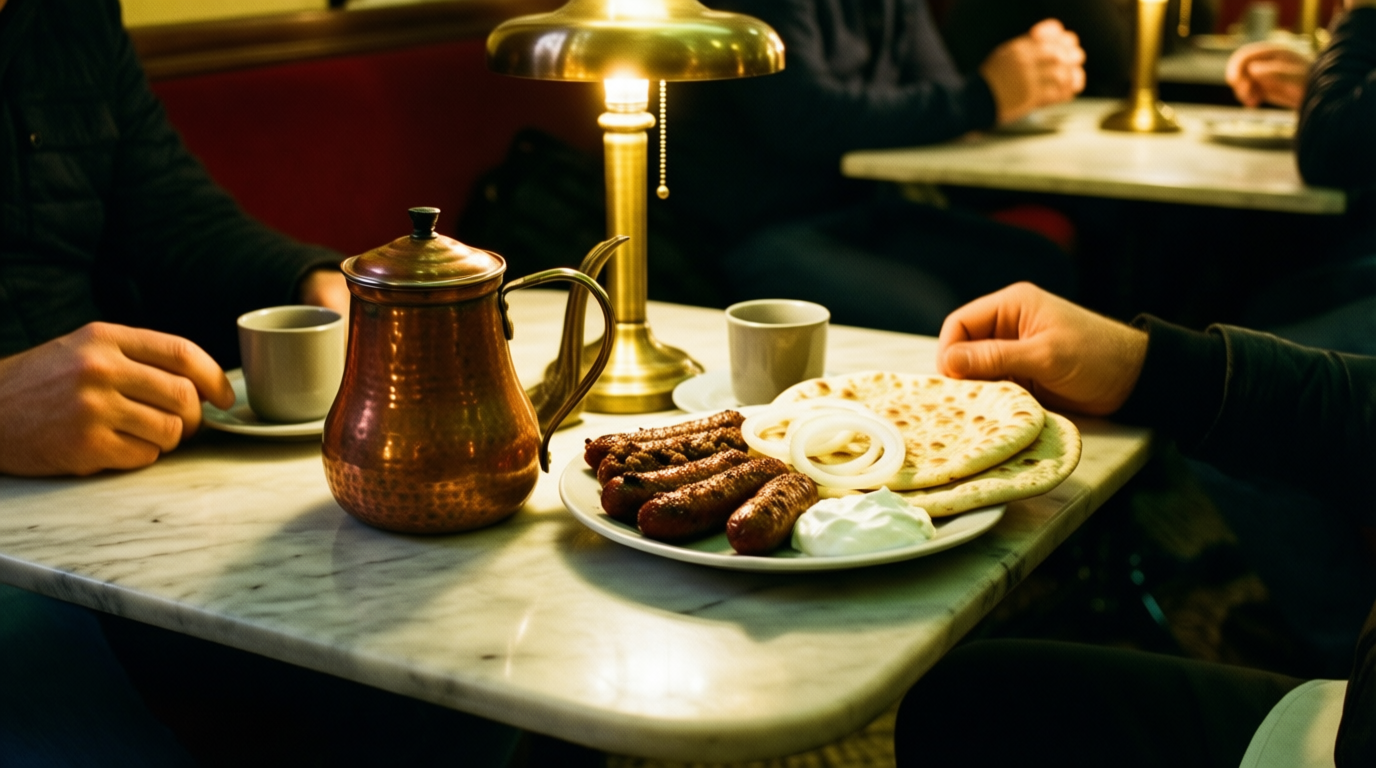
The short versionBosnia travel means exploring Bosnia and Herzegovina’s historic cities, mountain landscapes, rivers, food, and diverse cultural heritage. Plan around Sarajevo, Mostar, and a few regional day trips, choosing transport, lodging, and activities to fit your route and season; make time for local cafés, markets, and meals. Check current entry requirements and prices, and stay on marked paths in rural areas because mine hazards remain.
Planning a trip somewhere new is a lot like setting out on a road trip without a map: you know the general direction, but the details make or break the day. Bosnia rewards a little more structure than that.
Bosnia travel means exploring a country of old cities, mountain valleys, and layered history, and we’ve put all of it in one place.
You’ll find the cities, regions, nature, history, food, and safety basics, plus a practical planning layer on entry rules, trip length, budget, and where to eat meal by meal.
Bosnia Travel Starts in Sarajevo
Is Bosnia good for tourists? For most visitors, it’s a good choice, and Sarajevo shows why better than anywhere else in the country. The capital is compact and layered enough that a few days here set the tone for the rest of your trip.
Old town where East meets West
Start in Baščaršija, the old bazaar, and let the streets carry you from the Ottoman quarters into the Austro-Hungarian ones.
Two very different building styles sit close together, so the walk is less about what you tick off and more about how the pieces fit. Cross the Latin Bridge and pass the Franz Ferdinand site, then decide how to explore.
Walking tours come free or ticketed, so pick based on budget and how much background you want. Think of a traveler with one afternoon who wants history and a relaxed coffee: a loop through Baščaršija and a long sit in a café covers both before dinner.
Learning about the siege and war years
Sarajevo’s recent past is part of the visit, so give it a proper morning. A Siege of Sarajevo tour gives the events context, which makes the other stops easier to follow.
The Tunnel of Hope is tied directly to the siege, and Sniper Alley is where the danger of those years is easiest to picture.
Add the Yellow Fortress and the old bobsleigh track, both worth a look, and keep an eye out for the Sarajevo Rose memorials as you walk. Don’t rush this part.
Shopping markets, crafts and a hammam visit
The Markale market and Gradska Tržnica, the city market, show you what locals buy and how they shop. Stop at the copperware workshops and watch artisan coppersmiths at work.
Consider a cook who wants a souvenir with a real job: a copper pot from a coppersmith will earn its place in the kitchen, while a keychain won’t. For a slower afternoon, book a hammam experience, a traditional bath that rewards an unhurried pace.
Slow cafés and the city’s festivals
Sarajevo rewards people who sit down. Traditional cafés are where the city slows to a pace worth copying, so order a coffee and stay a while. The calendar adds more: Bascarsija Nights in July, plus film, theatre and jazz festivals.
If your dates line up, build your evenings around them. If they don’t, the cafés will happily fill the gaps.
Exploring Mostar and Herzegovina
Mostar is the obvious starting point in Herzegovina.
The Old Bridge and Mostar’s old town
Stari Most (the Old Bridge) was rebuilt in 2004. According to a TurkishPress report, Bosnia was set to inaugurate a replica of the destroyed 16th century bridge, a “potent symbol of reconciliation.”
The cobbled alleys are made for wandering, and Ottoman-style architecture gives the old town its character. You’ll also spot visible war damage as you walk.
Think of a reader with one free morning who wants photos without a tour-group crush. Visit early or late for fewer crowds, not fewer sights. Wander without a plan.
Nearby sights worth a detour
Consider a couple with one spare afternoon: two of these stops keep the day relaxed, while five turn the car into the main event. Here’s what each offers:
- Kravice Waterfalls: a natural stop for a change of scenery.
- Blagaj dervish house: a dervish house, the lodge of a Sufi (Islamic mystic) order, and a calmer contrast to the bridge.
- Počitelj hill town: a village best explored on foot.
- Konjic Ottoman bridge: an Ottoman-era bridge that makes a good photo pause on the road.
- Stolac and Međugorje: Stolac for its old town, Međugorje for its pilgrimage site.
Neretva Canyon and the dry Herzegovina landscape
The scenic drive through the Neretva Canyon follows the river itself, so the views change with every bend. Further south, the land turns arid Mediterranean: dry rather than empty, with hills, scrub, and open sky.
Think of a birdwatcher who’s spent the drive looking at bare hills. The Hutovo Blato Bird Reserve is the payoff: a wetland that feels like a different landscape. Bring binoculars.
Day Trips Across Central and Eastern Bosnia
Central and eastern Bosnia packs castles, lakes, bridges and canyons within easy reach of one base. The trick is to build each day around a lunch and one must-see, so you’re not racing from site to site.
Castles and lakes in Travnik and Jajce
Start in Travnik, where the fortress and the Painted Mosque can fill a morning. Consider a couple with four days in Sarajevo who want a castle town and a quiet lake. They take a long lunch in Travnik, then add Jajce for its castle and old town.
It’s less about how many sites you tick off and more about which ones you let slow you down.
Add the Plava Voda river and the Pliva Lakes with their watermills for a slower, greener stop. In Jajce, the Pliva Waterfall sits right in town, so you can see it between the castle and the old town.
Višegrad and a cross-border trip to Serbia
According to the UNESCO World Heritage Centre, the Mehmed Pasha Sokolović Bridge in Višegrad is inscribed on the World Heritage List, which makes the Višegrad Old Bridge the anchor of this day.
Pair it with Andrićgrad and Dobrun Monastery, then leave time for the Šargan Eight railway, a route worth riding if the timetable suits you.
Drvengrad is across the border in Serbia. Pack your passport.
Remote villages and canyons to explore
Lukomir is the highest isolated village in this guide, and it rewards a slow visit. Consider a solo hiker with one free day who pairs the Rakitnica canyon hike with a stop in the village. Keep the schedule loose so the walk sets the pace.
Shepherds and traditional rural life are the heart of this area, so visit as a guest rather than a checklist.
Sarajevo as a base for day trips
Sarajevo works well as a base, so you can keep one hotel and explore the region from it. Here’s how a week can come together:
- One base: keep your hotel in Sarajevo for the full week.
- Sample itinerary: rotate the castle towns, the Višegrad bridge and Lukomir across the days.
- Guided day tours: book one for the stops that are awkward to reach alone.
- Train to Mostar: the suggested route if you want Herzegovina as well.
Local Culture, History and Manners
Bosnia’s daily life is shaped by its faiths and a recent, painful history, so a little awareness goes a long way.
Mosques, churches and synagogues nearby
Mosques, Orthodox and Catholic churches, and synagogues often sit close together. Orthodox, Catholic and Muslim communities have long lived side by side, which is why the capital, Sarajevo, is often called the “Jerusalem of Europe.”
Think of a visitor who asks a stranger the way to a church and leaves with directions and a coffee invitation. Yes, American visitors are welcome here, and a friendly hello goes a long way.
The politics and history behind today’s Bosnia
Bosnia and Herzegovina is often described region by region, and its shape comes from a turbulent past. The country was once part of Yugoslavia, and Sarajevo was the setting for the event that helped trigger World War I.
The Dayton Agreement shaped the country you’ll visit today. According to a United States State Department page on the Dayton Peace Agreement, it created one state made up of two entities: the Federation of Bosnia and Herzegovina and the Republika Srpska.
The war is still a sensitive subject, so let locals raise it first. Ask how people feel rather than who is to blame. Listen first.
How to dress and behave respectfully
At religious sites, dress for respect rather than style. Cover your head, and remove your shoes when you enter a mosque.
In Herzegovina, say the full country name, Bosnia and Herzegovina, rather than just “Bosnia.” It’s a small habit that shows you’ve done your homework.
Getting Outdoors and into Nature
Want to get off the main roads? Much of Bosnia and Herzegovina is best seen from the water or on foot.
Rafting, kayaking and swimming in turquoise rivers
If you only have one day outdoors, make it a river day. Your choices on the water:
- Rafting suits a group that wants to share the paddling.
- Kayaking gives you a solo pace and a closer look at the banks.
- Canoeing is slower, with room for a picnic on board.
The Una River is a strong pick for any of these. Consider a family with two teenagers who want a day off their phones. They paddle in the morning, then swim before heading back, home by dinner and happily tired.
Many river days end at a waterfall, where a picnic on a flat rock is the reward. Pack a towel.
The turquoise rivers and lakes look unreal from the bank, but the real reward is getting into the water.
Hiking the Dinaric Alps and wild forests
The Dinaric Alps give you the high ground, with peaks that reward a full day on the trail.
According to the Western Balkans Enterprise Development and Innovation Facility, just over half of Bosnia and Herzegovina is covered in forests, so expect much of your walking under tree cover.
National parks make a natural anchor for a hiking day, so build your route around one if you can.
A bird migration reserve suits anyone who’d rather watch than walk fast. Here the aim is watching rather than covering ground, so bring binoculars.
Mountain huts work well as bases for multi-day walks. Consider a pair of hikers on a long weekend who stay at one, walk a new ridge each morning, and carry only a day bag.
What to Eat and Drink
Food is the easiest way into Bosnia: grilled meat, flaky pastry, slow coffee and something local in a glass. Here’s what to order and what to watch for.
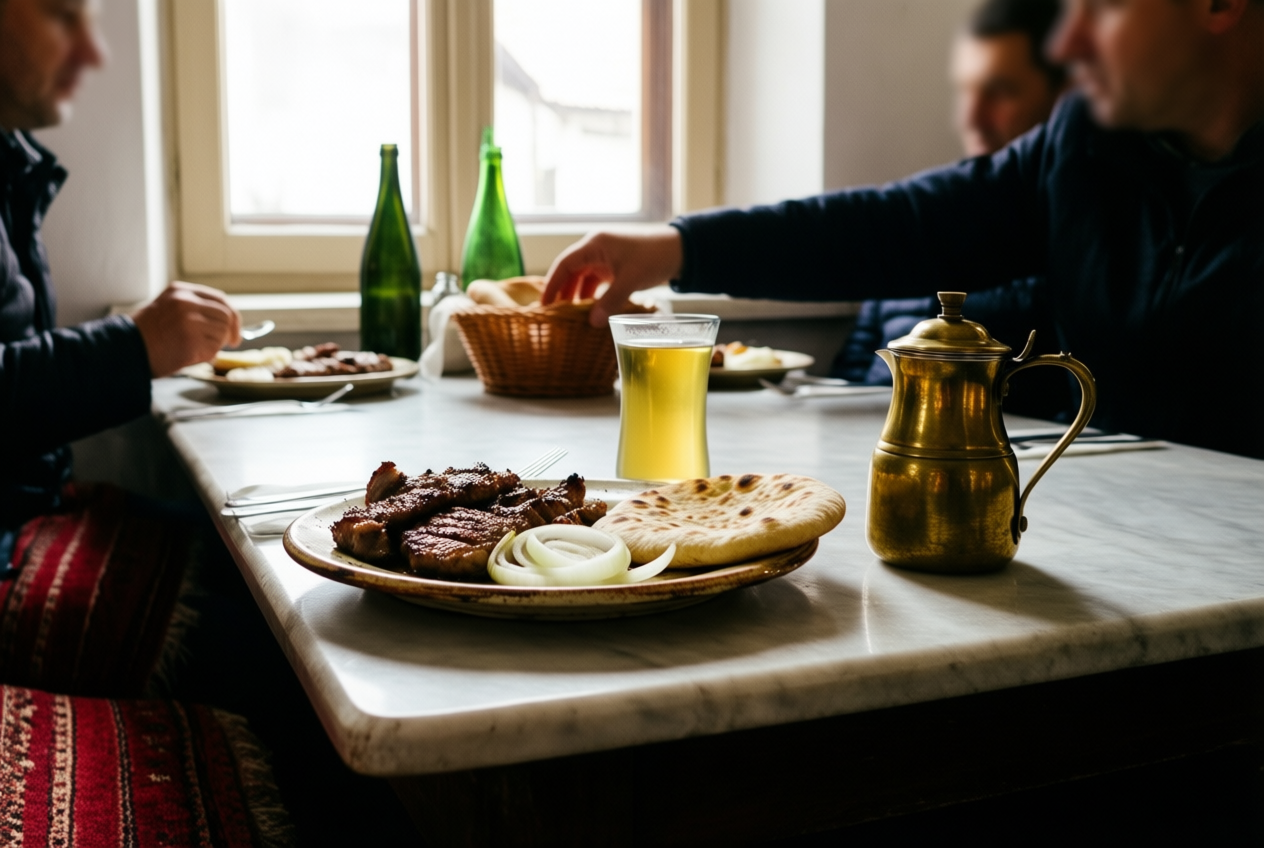
Must-try dishes, starting with ćevapi
If you order one thing, make it ćevapi, grilled minced-meat sausages. Then try:
- Börek and baklava. A savory pastry and its sweet, syrup-soaked cousin.
- Spit-roasted lamb. Share it with a group.
- Begova čorba. A hearty soup for a cold day.
- Where to eat ćevapi, Sarajevo. Consider a solo diner on a short stop: order at a grill-house that’s busy at lunch and full of locals. Busy beats fancy.
Coffee rituals, brandy and local wine
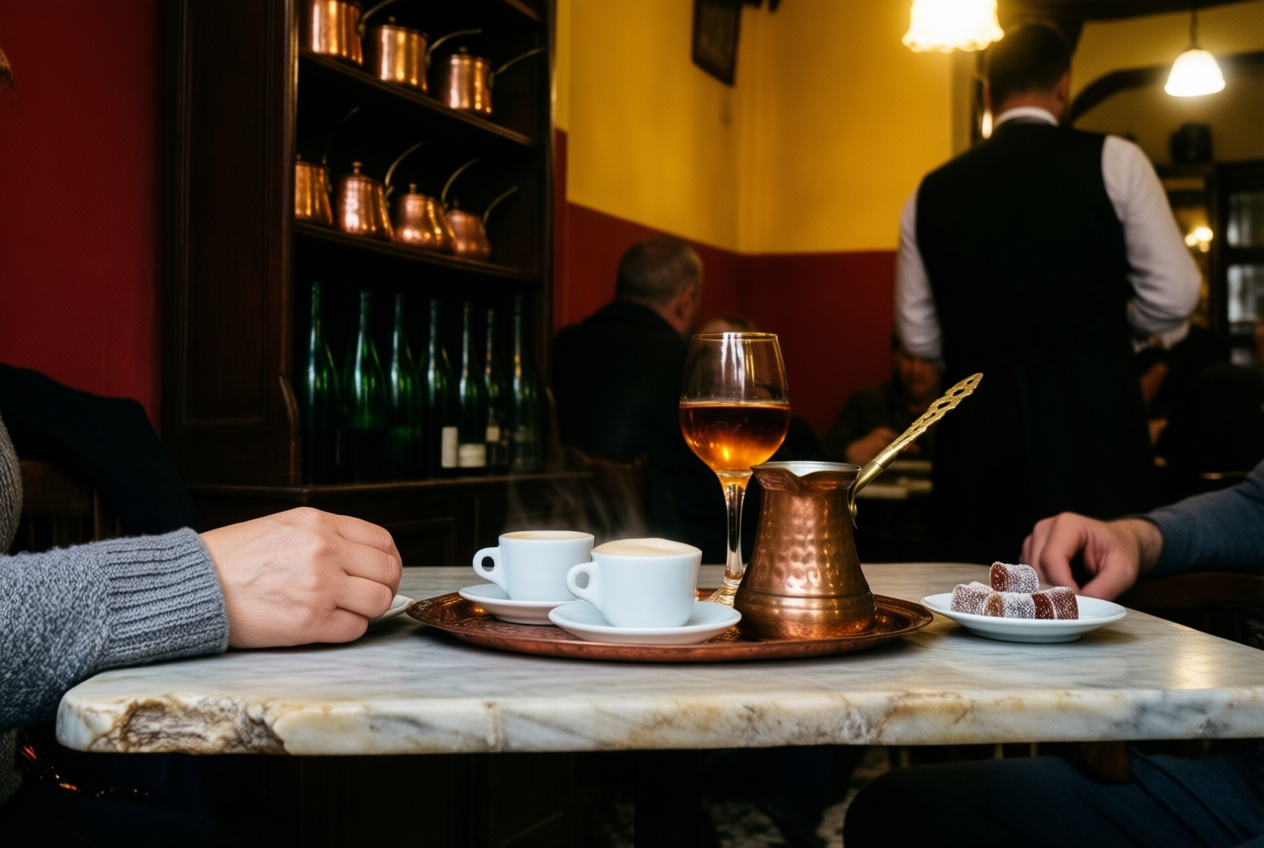
Coffee here is about time rather than caffeine.
- Bosnian coffee ritual. The pace is slow, so order it and settle in. Nobody rushes you out.
- Rakija fruit brandy. Sip it slowly, and ask which fruit it’s made from.
- Cheap local wine and beer. An easy pour that won’t blow the budget.
- Excellent wineries. Build a visit into a free afternoon, and book ahead.
Finding vegetarian food in a meaty cuisine
Asking beats assuming here.
- Meat-heavy cuisine. Menus lean on meat, so vegetarian choices can be thinner than they look.
- Vegetarians struggle. Check your options before you sit down.
- Hidden bacon. It can turn up in dishes that don’t look meaty, so ask before you order.
A vegetarian on a three-day stay asks the bakery counter whether an item has meat in it before paying. One question keeps a lunch from going wrong.
Planning Your Bosnia Travel Logistics
Start with entry, since it decides whether the rest is possible. Can an American go to Bosnia? Confirm current rules with official government travel sources before you book.
Best seasons and what the weather’s like
The Mediterranean south and the continental north don’t share a climate, so the season shapes how you travel more than whether you go. Summer is generally best. Winters are cold and snowy, so pack for them.
Outside peak summer, you’ll usually find fewer crowds and lower prices.
Flying in and getting around
Sarajevo, Banja Luka, and Mostar all have airports, so pick the one nearest your first stop. Airport transfers and tours take the guesswork out of arrival.
A rail pass can suit some routes, so check it against your itinerary, and read Balkans train tips before you set a timetable. Pairing Bosnia with Croatia works well if you build the border crossing into your plan.
Buses suit city-to-city legs, while a hire car lets you explore the hills at your own pace.
Where to stay, from rooms to huts
Think of a couple flying into Sarajevo who want a night in the mountains and a stop on the Croatian coast. They book the mountain huts first, then fill the city nights around that fixed point, so nothing gets double-booked.
Family-run private rooms put you in a local home with the people who run it. Apartments in the city centre keep sights and restaurants within walking distance, which matters when your days revolve around meals. Campsites are few, so book ahead.
Split your daily budget into four lines:
- Lodging: the room, apartment, or hut.
- Transport: trains, buses, or car hire.
- Meals: plan lunch and dinner first.
- Activities: entries, tours, and transfers.
Check current prices before you commit, since costs shift with the season.
How many days do you need in Bosnia?
There’s no single right number, but counting the cities and regions on your list gets you close. Give each one enough nights to enjoy its meals, and the total falls out of the route.
A recommended multi-country itinerary shows how the legs connect before you book. Guidebooks date quickly, so we’d check for updates first.
Books, movies, audio, and forums add context, since travelers there share what’s changed on the ground. Read widely, then book.
Is Bosnia Safe to Visit Right Now?
Short answer: the risks here are specific, and you can plan around them. The ones that matter most are landmines left from the war, pickpockets in busy city spots, and healthcare that may not match what you’re used to at home.
Health tips before you go
No vaccinations are required to enter Bosnia, but it’s worth a check before you book. Ask your doctor to review your records for:
- hepatitis A
- tetanus
- diphtheria
Healthcare runs below Western standards, so pack any prescription you rely on and keep your insurance details handy.
In an emergency, contact your embassy or consulate right away. Save its phone number before you leave, so you’re not hunting for it on a bad day.
Staying clear of landmines and pickpockets
According to a Sarajevo Times report on mine-suspected areas, mines and explosives left from the war still pose a direct security threat. Stay on the marked path rather than the shortcut, and treat any taped-off area as a no-go.
Abandoned villages deserve the same caution, even when they look like the perfect photo.
Think of a couple who spots a ruined house off a trail and wants a closer look. A local guide keeps them on the cleared route, so they get the photo from the path and skip the risk. For any rural hike, hire one.
Pickpockets target crowded spots, so keep your phone in a front pocket and your bag zipped.
Picture a couple lunching at a busy market counter: one keeps the phone close, the other keeps the bag on their lap, and the afternoon ends with a good meal and no lost wallet. Crowds are where the risk is.
Bosnia rewards the traveller who plans a little and then lets the country surprise them. Sarajevo sets the tone, Mostar and Herzegovina add the south, and the day trips, nature, and food fill in everything between.
With the logistics sorted and the safety basics in mind, you’ll have time for what matters: a good coffee, a long walk, and a meal worth remembering.
Pack light, eat well, and let Bosnia do the rest.
References
- Dayton Peace Agreement: Bosnian Federation — 1997-2001.state.gov
- EBRD and EU support furniture-maker Artisan’s growth abroad — wbedif.eu (2025)
- Bosnia To Open Rebuilt “old Bridge” — turkishpress.com
- What is the Overall Mine suspected Area in Bosnia and Herzegovina? — sarajevotimes.com
- UNESCO World Heritage Centre - Decision — whc.unesco.org
Questions
What is the food like in Croatia?
Croatian food varies by region: the coast features seafood, olive oil, and Mediterranean flavors, while inland cooking leans toward grilled meats, stews, and Central European dishes. Look for specialties such as black risotto, peka, and fresh seafood along the Adriatic.
How many days are enough for Bosnia and Herzegovina?
Five to seven days is a good starting point for Bosnia and Herzegovina, allowing time for Sarajevo, Mostar, and a day trip or two. A longer stay gives you room to explore mountain areas and smaller towns without rushing.
Why do so many Americans go to Croatia?
Americans visit Croatia for its Adriatic coastline, historic cities, islands, national parks, and food. It also fits easily into multi-country Balkan and European itineraries.
Is Bosnia safe to travel to right now?
Bosnia and Herzegovina is generally visitable, but check current U.S. government travel advisories before departure because conditions can change. Watch for pickpockets in crowded areas and stay on marked routes in rural areas, where unexploded mines may remain.
Is Bosnia good for tourists?
Yes. Bosnia and Herzegovina offers historic cities such as Sarajevo and Mostar, cultural and religious sites, mountain scenery, rivers, and local food. Plan transport and rural excursions ahead, and follow safety guidance about marked paths.
Is Bosnia friendly to Americans?
Yes, Americans are generally welcomed, and a friendly greeting goes a long way. Be respectful when visiting religious sites, and let locals guide conversations about the country's war and politics.
Can an American go to Bosnia?
Yes. U.S. citizens can generally visit Bosnia and Herzegovina visa-free for up to 90 days within a 180-day period, but should confirm current entry requirements with official sources before travel. Carry a valid passport and check its validity requirements before booking.
Is Croatia good to travel to?
Yes. Croatia is a popular travel destination for its coastal towns, islands, historic architecture, national parks, and varied regional cuisine. The coast is especially appealing in summer, while visiting outside peak season can mean fewer crowds.
Sources
- Bosnia To Open Rebuilt "old Bridge" · TurkishPress.com, turkishpress.com
- EBRD and EU support furniture-maker Artisan’s growth abroad - Western Balkans Enterprise Development & Innovation Facility, wbedif.eu,
- What is the Overall Mine suspected Area in Bosnia and Herzegovina? - Sarajevo Times, sarajevotimes.com
- UNESCO World Heritage Centre - Decision - 31 COM 8B.34, whc.unesco.org
- Dayton Peace Agreement: Bosnian Federation, 1997-2001.state.gov