 Where to Stay
Rehoboth Beach Hotels Compared by Location and Type
Rehoboth Beach hotels vary by location and stay style. Compare room options, pet policies, rates, and nearby places to eat before you book.

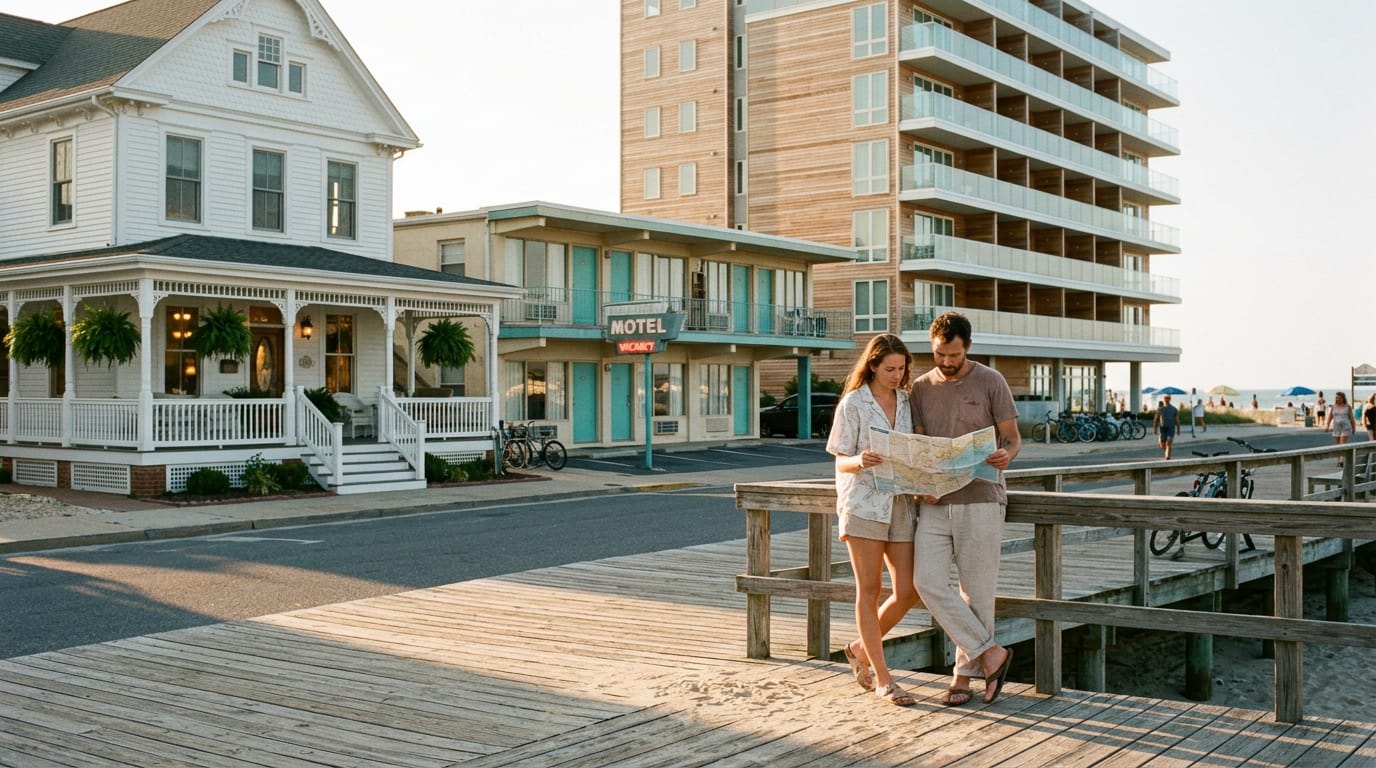
The short versionRehoboth Beach hotels range from oceanfront and downtown stays to quieter canal-side inns, highway chains, and vacation rentals. Choose based on how you want to spend your days: compare location, room size and kitchen, amenities, parking, pet rules, and total cost, then confirm details directly before booking. The right fit can make beach access, meals, and getting around easier while keeping the stay within your budget.
Picking a hotel is a lot like packing for a week at the shore. The right essentials make the whole trip easier, and a missing one shows up every day.
Choosing where to stay works the same way: your location, room, and amenities shape how each day unfolds, including where you’ll eat.
This guide is the clearest, most complete look at Rehoboth Beach hotels we can offer. We sort the options by location and type, then cover rooms, amenities, pets, rates, and booking, plus how each stay fits into eating around town.
Rehoboth Beach Hotels by Type and Location
Where you sleep sets the pace of your trip, from the first breakfast to the last walk home. Oceanfront suits beach-first days, downtown suits walkers, canal-side suits quiet stays, highway chains suit drivers, and rentals suit groups who want a kitchen.
Oceanfront hotels steps from the boardwalk
Oceanfront hotels put you steps from the sand. A family who wants chairs on the beach by nine can walk from the lobby without loading a car. Victorian and vintage options offer more character.
Request an ocean-view balcony, and ask for a room at the quieter end of the boardwalk rather than the busiest one. Before you pay for an oceanfront upgrade, ask what it adds. The view is the upgrade, so pay only if you’ll sit and look at it.
Downtown stays close to shops and dining
Downtown stays put you on Rehoboth Avenue, with shops and restaurants a short walk away. Many sit about five minutes from the sand. Consider a couple on a long weekend who want breakfast, a beach morning, and a quiet dinner.
They’ll walk rather than drive between all three and leave the car parked for the whole stay. Boutique-style properties are the usual fit here: smaller, with more personal touches.
Peaceful canal-side places to stay
Canal-side stays trade boardwalk noise for water views and a quieter street. Garden courtyard rooms open onto plantings rather than the road, which suits anyone who wants coffee outside.
For a slower pace, adult-oriented spa inns are built for grown-up, low-key stays. A reader who wants a slow week with a book will find it easy to unwind here. Quiet is the whole point.
Chain hotels near the highway
Chain hotels near the highway suit drivers who want a chain brand they already know. Their location puts Rehoboth and Dewey within reach, and the outlets make an easy stop.
A family with a car full of beach gear can unload at the door and park for the whole stay. That’s the trade-off: scenery for convenience. Easy parking is the point.
Vacation rentals and other lodging options
Vacation rentals give groups a kitchen and room to spread out. Four friends might cook one dinner at home after a beach day and eat out the next night, which a rental makes easy.
Condos and studios sit between a hotel and a home, with a kitchenette for simple meals. Motels keep things simple, with a room and a parking spot. If rooms in Rehoboth are hard to find, nearby beach towns are worth a look.
Best Hotels for Each Kind of Traveler
The right hotel depends on who’s traveling with you.
Where families and groups stay
If the kids want the arcade after dinner, a hotel within walking distance saves the car keys. Look for suites with kitchens so breakfast and beach lunches don’t mean a restaurant bill every day. Ask whether the restaurant has kids-eat-free nights.
The real question isn’t how big the room is but who is sleeping in it. For a group of six, confirm the room sleeps six, not just fits six on paper.
Relaxing hotels for couples and solo trips
A couple marking an anniversary might choose a spa hotel, with treatments on site. A boutique hotel is about feel rather than size: fewer rooms and a lobby you’ll want to linger in.
For any special occasion, mention it when you book and ask what the hotel can offer. Asking costs nothing.
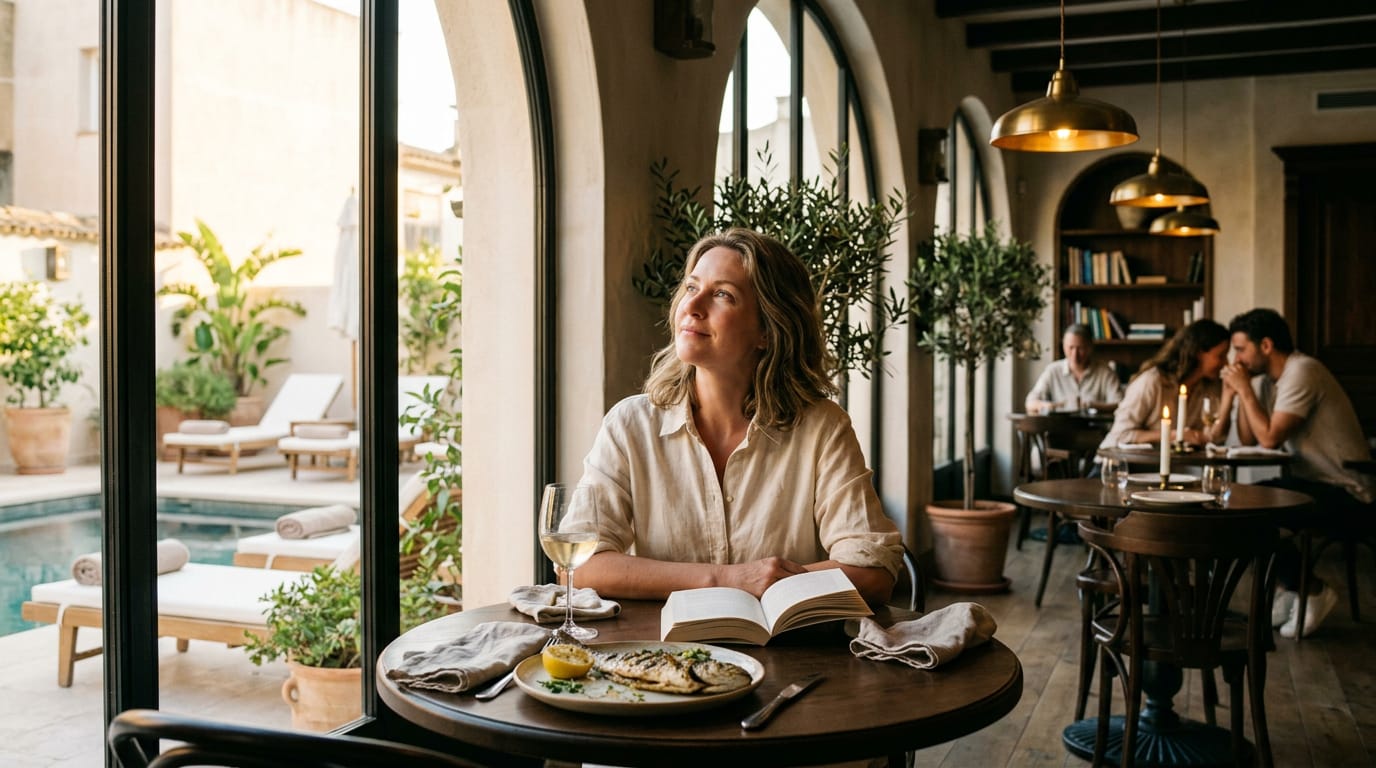
A solo traveler on a three-day reset wants a quiet room and a hotel where eating alone feels normal. Adult-oriented quiet means the pool and lounge aren’t built around kids, so ask where the pool sits. They come home rested rather than rushed.
Hotels for tournaments and business meetings
If your team plays in a tournament, pick a hotel close to the tournament complexes so the drive doesn’t eat into rest. A regional manager bringing twelve staff needs a meeting room that holds everyone, not one squeezed in around the coffee.
A larger event calls for an on-site conference center, which keeps sessions, meals, and sleeping under one roof.
Ask about group room incentives, the discounts or perks a hotel may offer for a block of rooms. Book the block early.
Room and Suite Options to Compare
Rooms run from basic options to suites with full kitchens, and the one you choose shapes how you eat. Here’s how the options compare.
The main room types you can book
Start with standard rooms, the simplest pick when you’ll be out most of the day. Deluxe king and double queen rooms give you a choice of bed setup, while suite-sized rooms and king studio suites give you more space.
If you need an ADA-accessible room (built for guests with mobility needs under the Americans with Disabilities Act), confirm the details with the hotel before you book.
Roomy suites with full kitchens
A full kitchen changes how you eat. Look for a separate living room when you want somewhere to sit that isn’t the bed, and two-bedroom suites when you need a second room. A pull-out sofa adds a sleeping spot, and suites that sleep six fit a whole family.
Consider a family of six on a long weekend: one room to book, breakfast made in the suite, and a dinner they cook on their last night instead of waiting for a table. Kitchen suites are where you cook a dinner, not just warm up leftovers.
That’s one dinner you don’t have to book.
Features you’ll find inside each room
- Granite bathrooms: finished in granite for a polished look.
- Robes and towels: you’ll find both, so you can pack light.
- Mini refrigerator and coffee area: keep leftovers cold and brew a quick start to the day.
- In-room safe: stow your passport and cards while you’re out.
- Balconies and terraces: where a room has one, use it for morning coffee or an evening drink.
- Rain showers: a wide, soft spray for the end of a long day.
Picking a view and a quieter room
- Canal-view upgrade: ask what the upgrade costs and whether canal views are worth it to you.
- Lake Avenue quieter side: if noise matters, ask for rooms on the quieter side of Lake Avenue.
- Higher floors: these tend to be quieter, so ask for one if you’re a light sleeper.
- Eastern or western views: an eastern view catches the morning light, a western view the evening light.
You’re choosing the light you’ll wake up or unwind in, not just the scene. Consider a couple who want quiet nights and a sunset drink: ask for a higher floor facing west, and they get evening light on a quieter level. Ask before you book.
Amenities and Services You Get on Site
Hotel amenities are easy to skim past, but they shape how your days feel, so we’ll walk through what to look for.
Pools, hot tubs and spa treatments
A rooftop pool suits sunny afternoons, but an indoor heated pool is what you’ll actually use when the weather turns. Hot tubs and spa massages make good breaks, so ask how massages are booked before you plan around one.
Cabanas and an on-site bar let you stay put for the day.
Dining and breakfast perks to look for
Think of a solo traveler who wants to be out the door by nine. With breakfast included, they skip a meal out and save their lunch budget for a place they really want to sit down for.
- On-site restaurants keep dinner close, but check the hours before a late night.
- Wine and cheese and cookies with turn-down service are evening extras, not a dinner plan.
- No on-site restaurant means planning breakfast and dinner nearby.
Where to park and what it costs
Parking is one of the first costs to check before you book.
- Free parking is the simplest option, but confirm it applies to your dates.
- Metered street spots cost as you go, so budget for them and watch the time limit.
- Guests-only lots keep your car in one place for the whole stay.
- Park once and walk means one spot for breakfast, the beach, and dinner.
Hotel parking isn’t the same as beach parking, though. Beach parking has its own rules and permits, so check with the front desk before you drive over.
Getting around with shuttles and bikes
A shuttle gets you to the sand, but bikes get you around.
- Open-air beach shuttle means no car for the beach run.
- Hourly shuttle only helps if you plan around its schedule.
- Free bikes cover ground between lunch and the beach.
- Beach chairs and towels mean one less thing to haul.
- No local shuttle means you’ll walk, bike, or drive every stop.
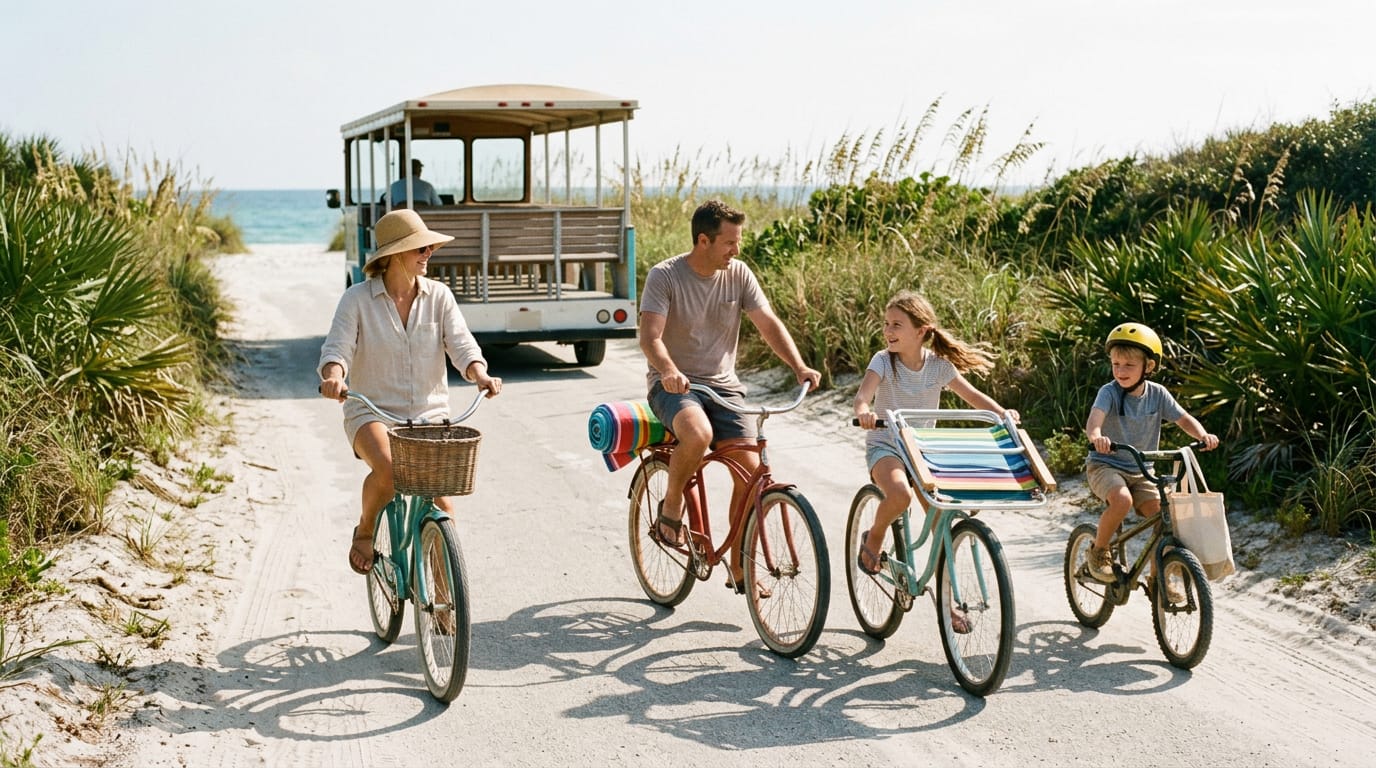
Picture a family who wants to skip the car altogether. Free bikes and a beach shuttle get them to lunch and the sand. Less car, more sand.
Wi-Fi, fitness and other everyday perks
Small perks add up, so check the ones that match your trip.
- Free Wi-Fi matters if you’re working from your room or checking reservations between stops.
- Fitness center fits a workout into your morning without a separate trip.
- Smoke-free property is worth confirming if smoke bothers you or anyone traveling with you.
- Bean-to-cup coffee gives you a fresh cup on your own schedule.
- Kids eat free may have limits on which meals and restaurants it covers, so check before you count on the savings.
Read the fine print.
Rates, Booking Tips and Hotel Policies
Rehoboth rates move with the calendar, so when you book matters nearly as much as where. Here’s how to get a fair price and avoid surprises at the desk.
Typical rates and how to save
Rates follow the season. Peak season, the busy summer stretch, costs the most, while shoulder season weeks on either side usually sit lower. Don’t anchor on an average or the cheapest price you spot.
Check your exact dates, since a room that’s a bargain in May can climb on a summer weekend.
A room with a kitchen is often the best value, because it saves on meals. For example, a family staying a week can cook breakfast and a few dinners, then spend their restaurant budget on the lunches they most want to try.
The saving comes less from the room rate and more from where the money goes.
When and where to book your room
Summer sells out fast, so book early if you’re coming in July or August. Think of a couple planning a long weekend in early August who waits until the week before. The rooms they wanted are gone. Book in spring and you get your pick.
Compare a few travel sites against the hotel’s own listing. Calling the hotel directly lets you ask questions a booking form can’t answer. Last-minute deals can appear outside peak weeks, but that’s a gamble, not a plan.
Check-in rules and fees to know
Each hotel sets its own check-in and check-out times, so confirm them on your booking before you plan an early departure or a late lunch. Cancellation terms depend on the rate you pick, so read the rule before you pay.
No resort fees apply, so the quoted rate is close to your final cost. Each hotel’s policies page covers the rest. If you’re buying a stay as a gift, you can also order gift cards by phone.
Things to Do and Eat Nearby
Once you’ve checked in, the next question is where to eat and what to do. Here’s how the nearby options break down, from the boardwalk to the state park:
Classic boardwalk stops for food and fun
Think of a family with young kids on a warm afternoon. They can grab a snack, play a few games, and bring home taffy without getting back in the car. Treat the boardwalk as a place to graze rather than dine.
- Funland arcade: a break from the sand when the kids need games.
- Thrasher’s fries: a snack you can eat while you walk.
- Dolle’s taffy: a box to bring home for the people who stayed behind.
- Kohr Brothers custard: a cool treat for the walk back.
- Grotto Pizza: a heartier choice when a snack won’t hold you.
Restaurants and breweries worth the trip
- Dogfish Head: a brewery worth the trip for a beer after a day outside.
- Baltimore Ave breakfast: an easy way to start the day before the beach.
- Local seafood spots: the choice when you want seafood instead of boardwalk snacks.
- Late-night options: good for the night you get back late and still want a proper meal.
- Cuban coffee: a quick pick-me-up between activities.
- Book dinner before booking room: Reserve the table first, then pick a room that makes getting there easy. Dinner sets the day.
Tax-free outlets and walkable shops
- Tax-free outlets: a reason to shop when you want to bring home bigger purchases.
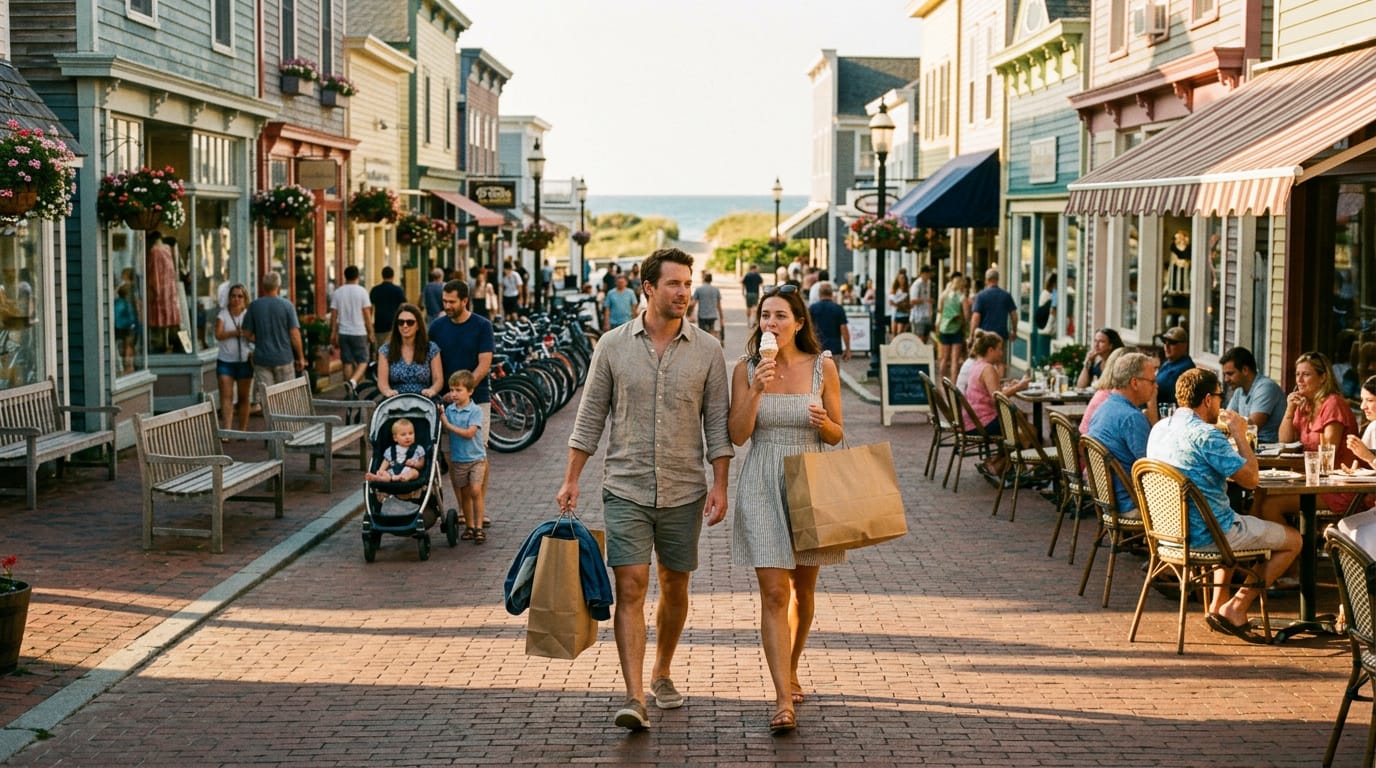
- Rehoboth Avenue shops: the main street for browsing between meals.
- Walking distance options: stay within walking distance of the shops and you can browse, eat, and head back without the car.
Outdoor fun from parks to go-karts
- Cape Henlopen State Park: a state park for a change of scenery from the boardwalk.
- Go-karts: an active option for an afternoon with energy to burn.
- E-bike rentals: a way to cover more ground than walking allows.
- Beach access: check how you’ll reach the sand from your room before you book, so the beach fits into your day.
Pet-friendly Places to Stay
Bringing a dog to the beach sounds simple until you start searching for a room. Here’s what we’d check before you pay.
Pet fees, limits and reservation rules
Expect a nightly pet fee on top of the room rate, so compare totals, not nightly prices. Then check these rules:
- Dogs only. Some hotels take dogs but not other animals, so ‘pets allowed’ may not cover yours.
- Limited pet rooms. Only a few rooms may be set aside for animals, and they can fill fast.
- Weight and number limits. Some hotels cap a dog’s weight or how many pets a room can hold.
- Call to reserve. Don’t rely on a booking form alone. Call to confirm a pet room is held.
Consider a couple driving down with a medium-sized dog for a long weekend. They book online, assume the listing covers them, and learn at check-in that the hotel’s weight limit rules out their dog. One phone call would have caught it. Call first.
Spotting a hotel that really welcomes pets
The difference is between a hotel that welcomes pets and one that merely tolerates them. Welcoming hotels spell out their pet policy and say where animals can go. Vague answers are a warning sign.
Some hotels change pet rules by season, so ask whether the policy shifts in summer.
Confirm your dog’s size and breed are allowed, and get the fee in writing before you pay.
Booking sites may offer a pet-friendly filter. Use it to shortlist, then confirm each hotel directly.
What Guests Say About Their Stays
Reviews show what a stay is really like. Here’s what guests praise, what they wish they’d known, and how to read the top scores.
What guests love most about these hotels
Guests consistently praise:
- friendly staff
- clean, spacious rooms
- comfortable beds that make a long beach day easier to end
Location comes up often too, and many guests become repeat visitors, which is a strong sign a hotel delivers consistently.
Things past guests wish they’d known
Some of the best advice comes from guests who learned things the hard way:
- Off-season visits. Confirm which restaurants, pools, and front-desk hours are open before you go.
- Cool pool water. Ask about the temperature before you pack for a swim.
- Non-smart TVs. Some rooms have plain TVs, so ask about streaming and bring your own device if needed.
- Style reflected in price. Higher rates usually buy more polished finishes, so choose the room style your budget supports.
- Quieter than Ocean City. If you know Ocean City, expect a calmer town with fewer crowds.
Top-rated and most popular hotels
Review scores are a useful starting point, but read the whole story, not the single loudest comment. Popular hotels often book up first, especially on summer weekends. For personal favorites, start with your priorities.
Consider a couple visiting in March who want quiet evenings and a good bed. They filter for location and staff praise, then check the recent reviews for off-season details, and they end up with a shortlist that fits. Trust the pattern, not the outlier.
Getting There by Car or Plane
Your route decides when you sit down to your first meal, so choose your airport before you choose your restaurants. Here’s how the nearby options compare and how to get from each one to your hotel.
Airports nearby and how to reach them
According to Mansfieldcity.org’s airport guide, the closest airport to fly into is the Salisbury-Ocean City Wicomico Regional Airport (SBY), about 35 miles (45 minutes) away.
The best airport is the one that gets you there soonest, not the one with the most flights.
Other airports, including Philadelphia International and Baltimore/Washington International (BWI), are worth comparing too. Check the drive from each before you book, since a cheaper fare can mean a longer trip once you land.
Ride-share apps can cover the last leg, but open yours before you land to check pickup options at your chosen airport. If your flight arrives late, book the ride ahead.
Renting a car gives you the most freedom once you land. Think of a couple flying in for a long weekend who want a boardwalk lunch on Saturday and a quiet dinner across town on Sunday.
A rental picked up at the airport gets them to both without waiting on a ride. Book early.
When you compare flights, look at the total cost of the trip, not just the fare, since your airport also changes what you’ll pay for a ride or rental.
A good hotel does more than give you a bed. It sets up your mornings, your lunches, and your late dinners. That’s why it pays to weigh location, room, amenities, pets, and price against the way you actually want to spend your days.
Start with the trip you’re planning, shortlist the options that match it, and check the policies before you commit.
The right room doesn’t just hold your bags. It puts every meal within easy reach.
References
- What Airport to Fly to Rehoboth Beach, Delaware [Pro Guide] — mansfieldcity.org (2026)
Sources
- What Airport to Fly to Rehoboth Beach, Delaware [Pro Guide] - Mansfieldcity.org, mansfieldcity.org,