 Trip Planning
Prague Travel Planning: Sights, Transit, Stays, Day Trips
Prague travel is easier when you plan beyond the sights. Compare sample itineraries, a trip budget and meal-by-meal plans before you arrive.
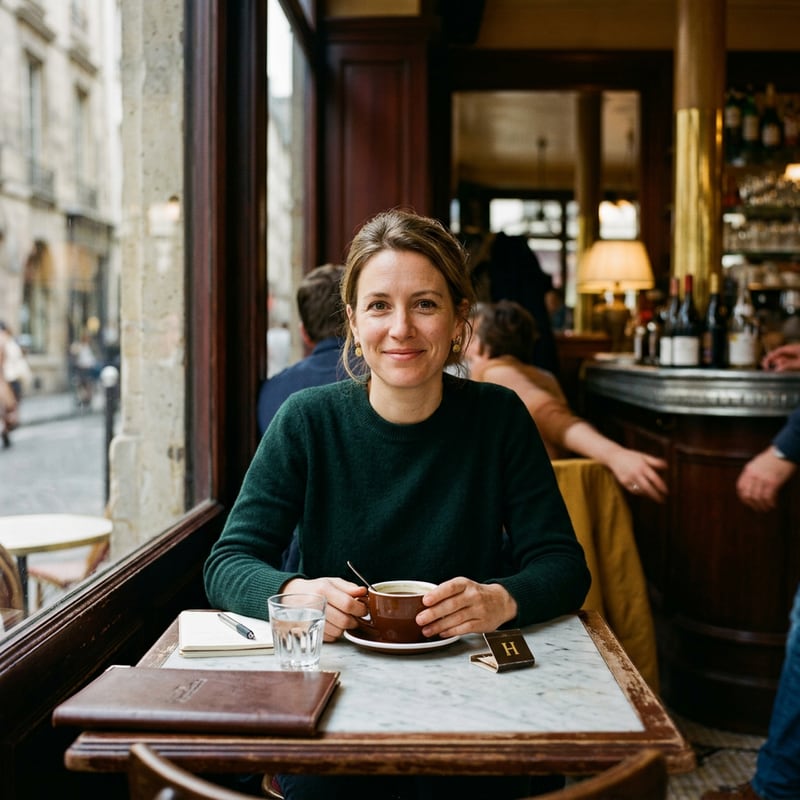
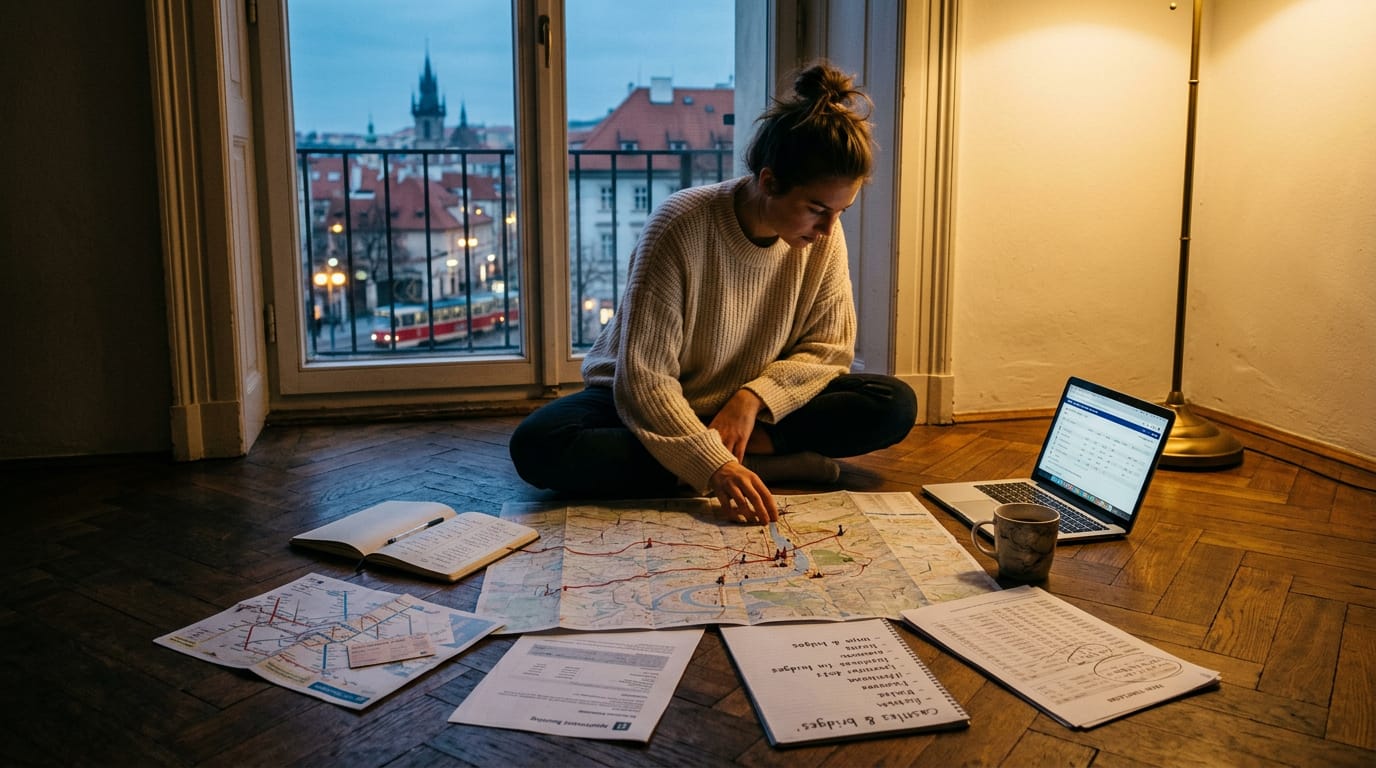
The short versionPrague travel means planning a visit to the Czech capital around its historic sights, local food, transport, accommodation, and practical needs. Choose the season and length of stay, budget in Czech koruna, book key meals or attractions, and use walking, trams, and the metro to make the most of each day. Plan essentials such as airport transfers and safety, but leave room to slow down, explore beyond the busiest streets, and take a day trip.
Picture a Saturday in Prague: a tram you almost missed, a lunch you forgot to book, and a sight closing just as you arrive. Most trips stall on the practical details, not the sightseeing. This guide puts those details in one clear place.
You’ll find the sights worth your time, getting there and around, where to stay, what to eat and drink, safety basics, and day trips.
We’ve also added sample itineraries, a budget, arrival logistics, and meal-by-meal planning, so you can book the essentials before you land.
Prague Travel Planning Basics
Four decisions shape most Prague trips: when you go, how long you stay, how you’ll pay, and what you’ll pack. Settle them first.
Choosing the best season to visit
Christmas markets make winter feel festive, but it’s the coldest stretch of the year. Spring brings festivals and milder weather, while the summer beer festival suits anyone who wants a lively city in warm months.
Autumn and the low season often mean lighter crowds. Avoid summer holidays and weekends if you want shorter queues, and check monthly temperature averages from a reliable weather source before you pack.
How many days in Prague is enough?
For a short break, two nights covers the highlights, though you’ll move quickly. Three to four nights shifts the focus from ticking off sights to savoring them.
Picture a couple on a long weekend who want the old town, a castle visit, and one relaxed dinner. Two nights gets them through the list, but three lets them actually enjoy it.
A sample 3-day plan might give day one to the historic center, day two to the castle district, and day three to a market and a slower lunch.
Paying with koruna and cards
Prague uses the Czech koruna, not the euro, so don’t count on euros. Carry some cash for markets and small cafés, and exchange money at banks or use ATMs. Build your daily budget around four lines:
- Lodging
- Meals
- Transport
- Sights
A solo diner who eats a market lunch and one sit-down dinner each day can set a fixed amount for each meal and never guess at the end of the day.
A city pass only pays off if you’ll use the included entries, so count the sights you plan to visit before you buy one.
What to pack and basic phrases
Czech is the main language, but you’ll see English in many tourist spots. Learn a few basic phrases, like hello and thank you, since locals notice the effort.
Pack a light rain jacket for showers, warm layers for the colder months, and your most comfortable shoes, because you’ll walk cobblestones all day. Do people speak English?
In the busiest areas, many hotel, restaurant, and shop staff do, so you can get by.
The Sights You Shouldn’t Miss
Prague’s headline sights are easy to collect. The order and timing you choose decide whether your day is spent walking or waiting in line.
Strolling across Charles Bridge
Think of a traveler with one free morning who wants the bridge with fewer people around. Arriving at dawn gives them that, while an evening walk offers a different mood.
A photogrammetric measurement study describes Charles Bridge as the oldest bridge over the Vltava River in Prague. Expect statues and street performers along the way.
Local legend says touching one particular statue brings good luck, so you’ll see visitors stopping for it. When you need a break, the bridge towers offer views over the river.
Exploring the sprawling Prague Castle
Prague.fm’s article on the Czech Republic’s largest castles lists Prague Castle as the largest coherent castle complex in the world, covering more than 70,000 square metres. Inside the complex, the main stops are:
- St. Vitus Cathedral
- Golden Lane
- The Old Royal Palace
- St. George’s Basilica
Budget time for the ticket line and the security check at the entrance. The castle is also the focal point of the wider UNESCO World Heritage site known as the Historic Centre of Prague, as the Prague Castle blog explains.
Old Town Square and its famous clock
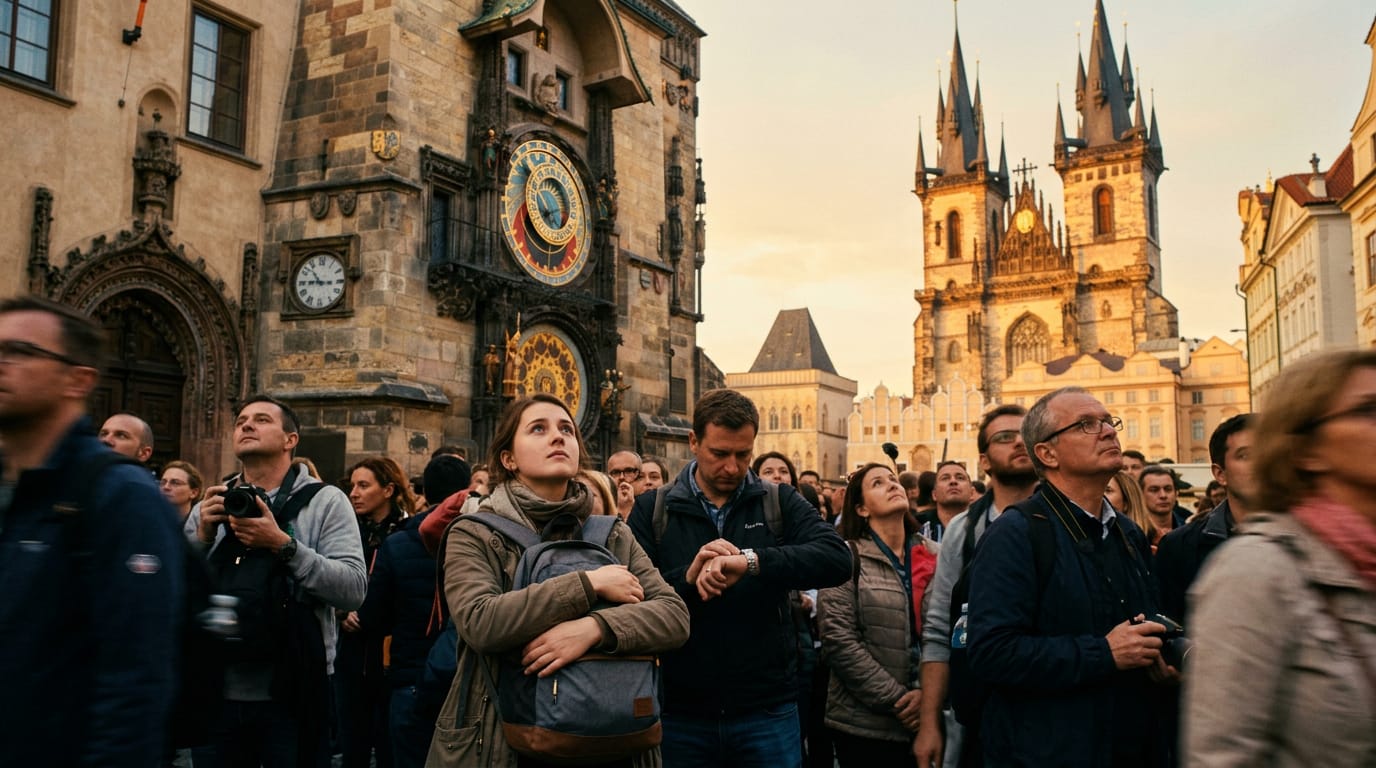
The astronomical clock is the square’s big draw. A research paper on the Prague astronomical clock calls it the oldest original working astronomical clock and the most visited one in the world.
It’s less about seeing the clock than about timing your visit. Each hour, a procession of the apostles appears, so arrive a little early for a good spot.
Buy a separate ticket for the Town Hall tower if you want the view over the square. Nearby, the Church of Our Lady before Týn is worth a look. Crowds gather right at the hour, and pickpockets work those crowds. Keep your bag in front of you.
Exploring the historic Jewish Quarter
Think of a history lover with one afternoon to spare. Allow about two hours, and look for combo tickets so you’re not buying each site separately.
The quarter holds several synagogues and the Old Cemetery, including the Old-New Synagogue. It also has Kafka connections, which add meaning for anyone who’s read his work.
Wandering Wenceslas Square and New Town
Wenceslas Square is a historic boulevard for walking, not lingering. Shopping streets and the National Museum make easy detours, and the square’s political history is worth knowing before you go. The New Town streets around it are good for wandering too.
Mala Strana and other stops nearby
Mala Strana, also called Lesser Town, is where the plan can loosen. These stops pair well with a slow walk:
- Lennon Wall, a quick look on your way through
- Kampa Park statues, a good place to pause
- Wallenstein Garden, a quiet green break
- Dancing House, a striking modern building
- Klementinum library, a historic library worth a visit
- Kafka sculpture, for fans of the writer
Reaching the City and Getting Around
How you arrive shapes your first meal, so plan the journey first.
Ways to reach Prague
Flying in? Pre-book your airport transfer or check your public transit options before you land. Think of a couple with a 12:30 lunch booked in the centre: a sorted transfer gets them there on time.
From a nearby city, a train is often simpler: check which station you’ll reach and how far it is from your hotel.
Driving suits day trips, but parking adds up, so a car in town often costs more than it saves.
If you drive on motorways, you’ll need a digital motorway vignette, an electronic road permit. Buy it online before you set off, and check the current price.
Choosing between a train and a flight comes down to arrival time rather than lowest fare. Compare door-to-door time, including the airport trip into town.
Getting around town on foot and transit
The compact centre is made for walking, so you can cover most sights on foot. Trams and the metro handle the longer hops. Consider a couple with dinner across town at eight: planning the metro home means no scramble for a cab at midnight.
Pick your ticket by how often you’ll ride, not how far, and check how long it stays valid on the official transit app or site.
Taxis and ride-hailing apps like Uber are handy late at night, but keep to three rules:
- Use a licensed car. Skip drivers who approach you at the station or airport.
- Agree the fare first. Confirm the price or insist on the meter.
- Book through an app where you can. The price shows before you confirm.
Check first. Then ride.
Choosing Where to Stay
Where you sleep shapes how much of Prague you see on foot. Your budget, your group, and how much you want to walk should decide the base.
Picking the right neighborhood
Old Town is the most expensive place to stay, but you’ll be close to the main sights. Think of a couple on a four-night trip who want to see everything on foot. They may pay more for the room, but they’ll save time every morning.
Mala Strana is cheaper and quieter, so it suits anyone wanting calm evenings. Either area keeps you central and walkable. It’s where you sleep that shapes your days more than what the room looks like.
Hotels for every budget and style
- 3 to 5-star options: Star ratings give a quick sense of service, so you can match a hotel to your budget.
- Boutique hotels: Smaller properties with more character, often a good fit for couples.
- Breakfast value: A sit-down breakfast can save a morning of café hunting. Check whether it’s included before comparing prices.
- Wellness areas: Spas, saunas, or pools help after a long day on your feet.
Consider a solo traveller who wants a quiet room and a proper breakfast. A boutique hotel with breakfast included covers both.
Staying in a self-catering apartment
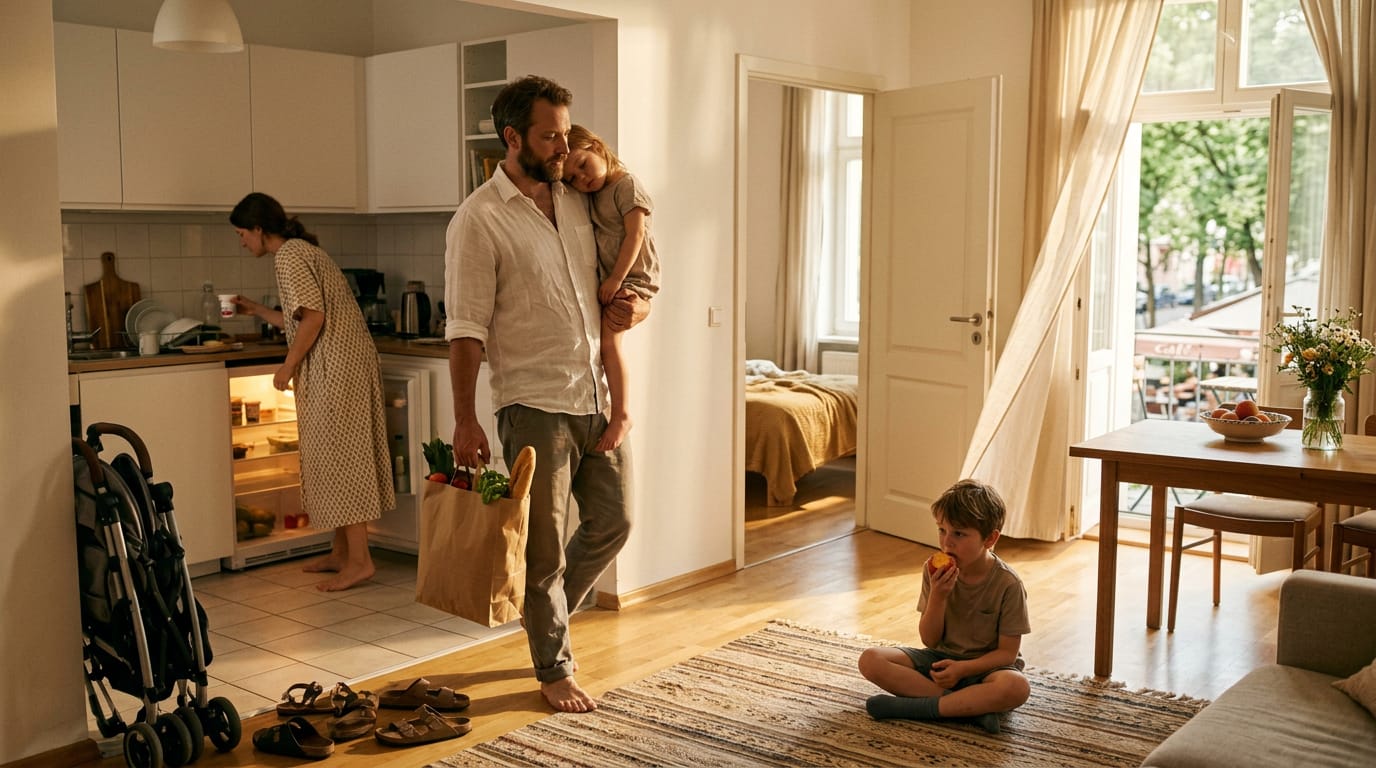
A self-catering apartment has its own kitchen, so you can cook breakfast or stock the fridge. Family and group options offer more bedrooms and shared space than a typical hotel room. Central locations keep every walk short.
Take a family of four with two young kids. A central apartment gives them a fridge for snacks, a quiet room for naps, and a short walk back whenever someone tires. Nobody loses the afternoon.
Eating, Drinking and Going Out
Prague’s food is hearty, its beer culture runs deep and its sweet pastry is everywhere. Here’s what to order, drink and book.
Hearty Czech dishes to try
Czech cooking is hearty and meat-heavy, so plan for big plates:
- Goulash and dumplings: a rich stew with dumplings to soak up the sauce.
- Fried cheese: breaded and fried, a good shared starter.
- Pork, sauerkraut and dumplings: rich meat balanced by tangy cabbage.
- Schnitzel and kulajda: a breaded cutlet and a creamy, dill-flecked soup.
Consider a couple with one long lunch: one orders the goulash, the other the schnitzel, and they share both. It’s food that rewards appetite over variety, so one good main beats three small starters.
Beer, brandy and other drinks to try
Start with Pilsner Urquell, the classic pale lager. Beer is an everyday order here, and per-capita beer consumption helps explain why. Pub culture shows it best: the pub is about the company, the cocktail bar about the drink.
Prefer not to drink? Try Kofola, a cola-style soft drink, or Malinovka, a raspberry one. For something stronger, try slivovitz, a plum brandy, after dinner. For a later night, cocktail bars offer a different pace.
Consider a reader on a Friday: a pint in a pub, then a cocktail bar, a full night out in two stops.
Sweet treats like trdelník
Trdelník is a chimney-cake pastry you’ll see sold across the city. A BBC Travel feature puts it plainly: “In recent years, this doughy, sugar-coated sweet has become ubiquitous in Prague.”
Despite how Czech it feels on the street, trdelník has Slovak origins. Czech cakes and pastries fill cafe counters too, so pick one for your coffee. It’s a treat, not a meal.
Restaurants and cafes worth a visit
- Municipal House dinner: worth booking ahead.
- Manifesto Market: a lunch option to weigh.
- Lokál, Café Savoy and The Eatery: a shortlist to compare.
- Vegetarian and vegan options: check menus ahead, since the cuisine leans so heavily on meat.
- Cafes and coffee bars: easy stops between sights.
Plan your day around lunch stops: make lunch the anchor, not the afterthought. Think of a solo diner with one day in town: a booked lunch, a cafe in the afternoon and a dinner plan already settled. The day holds together without a frantic search.
What’s on in Prague today?
Look for opera at the Estates Theatre, classical concerts, jazz and puppet theatre, and Rudolfinum concerts. To answer what’s on today, check the day’s listings for the venue you want, since programmes change.
Consider a reader with one free evening: they check for a Rudolfinum concert or a puppet show, then book dinner around the start time. Show first, dinner second.
Great Views and Cheap Things to Do
Prague rewards people who look up and wander. A few climbs repay the effort with a view you won’t forget.
Climbing towers and hills for views
A couple with one afternoon will enjoy one climb done well more than all six rushed. Choose one and savor it.
- Old Town Hall tower: a view over the square you just crossed.
- Old Town Bridge Tower: a short climb by the river.
- Petřín Hill and Tower: a green walk to a tower above the city.
- Letná Park: an open ridge with a wide view across the river.
- St. Vitus tower climb: a climb inside the cathedral, with views over the castle.
- Klementinum lookout: a different angle on the rooftops.
Free and low-cost fun in town
The best hours here are free. What counts is the time you give a place, not the ticket price.
- Wandering Old Town Square: no ticket, just a bench and an hour to watch.
- Naplavka farmers’ market: a riverside market for a cheap, easy lunch.
- Free viewpoints: lookouts that cost nothing, so you can stop on the way.
- Lennon Wall: a painted wall of messages, free and quick to see.
- Parks and gardens: a shady bench between sights makes a good reset.
Joining a walking tour or cruise
A guide tells you what you’re looking at, not just where to stand. Consider a solo traveler who joins a morning walking tour, then picks the two towers worth climbing that afternoon.
- Walking tours: our first pick for a first visit.
- Vltava river cruises: a seat on the water shows the bridges and castle from a new angle.
- Beer and brandy tours: a guided tasting for an evening, for anyone curious.
Practical Tips to Stay Safe
A few habits keep Prague’s busiest areas from draining your time and wallet. Here’s where to focus.
Dodging crowds and overpriced traps
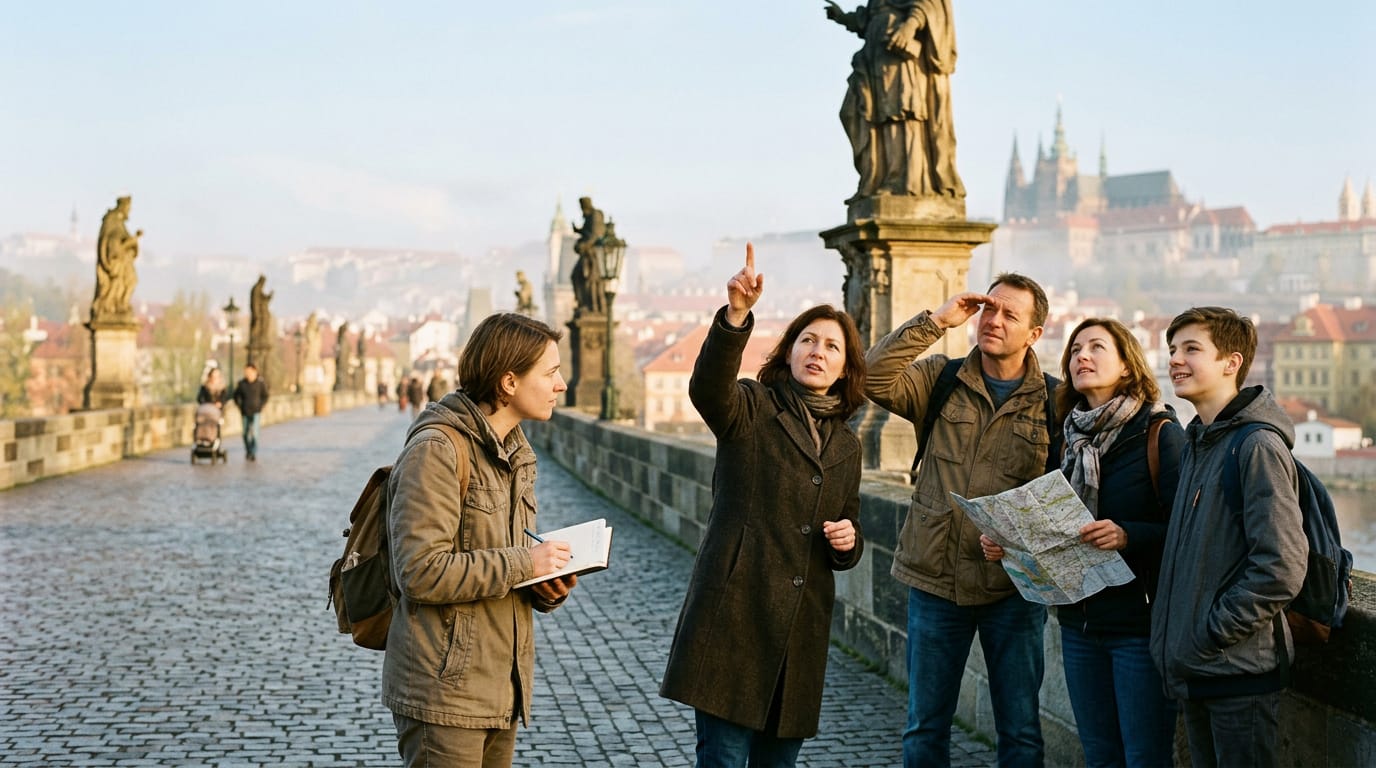
The old town is busiest at midday, so timing is your easiest lever. Picture a couple who heads out at eight, has the bridge nearly to themselves, and is back at their hotel before the tour groups arrive. Visiting early or late means shorter queues.
Prices climb near the main squares. Walk a few streets away and a coffee often costs less, since you’re paying for the view more than the food.
Candy shops and sweet stalls around the main squares are built to catch passersby. Treat them as a detour, not a destination.
Expect heavy tourism in the historic center. The sights you want most are the ones everyone else is queuing for, so build in slack. Plan for the crowd. Don’t fight it.
What to beware of in Prague?
Three traps are worth knowing:
- Pickpockets at attractions. Crowds around famous sights are where pickpockets work. Keep valuables in a front pocket or zipped bag.
- Street money exchange scam. Someone on the street offering a rate that looks too good to be true often shortchanges you. Use a bank or official exchange office, and count your cash before walking away.
- Taxi overcharging. Drivers who approach you outside busy sites may quote inflated fares. Agree on the price first or insist on the meter, and glance at the route on your phone.
Consider a solo traveler who steps off the train and is offered a better exchange rate. Politely declining and walking to the official counter keeps their cash safe and their afternoon on track.
So, what should you beware of? Mostly, anyone who approaches you first with an offer you didn’t ask for. We want you to stay alert, not anxious.
Easy Day Trips Beyond the City
Prague works well as a base for day trips. The options below fall into three groups:
- castles
- historic towns
- hiking or spa days
Castles and chateaux worth the trip
Karlštejn Castle, Křivoklát Castle, and Konopiště Chateau each need a full slot in the day, so pick one rather than two. Consider a couple with one free Saturday who wants a castle in the morning and a slow lunch in the afternoon.
The payoff is time: they walk the grounds instead of watching the clock.
Průhonice Park is the exception: it’s a park, not a castle, so treat it as the slow option for a day when you want fresh air more than another staircase.
Historic towns to visit nearby
Make the bone church in Kutná Hora the anchor of the day, and fit anything else around it. Think of a friend who wants a brewery tour followed by a long, unhurried lunch. A Pilsen brewery tour suits that plan.
Karlovy Vary spas suit a slower day, with fewer sights and more time to sit still. The Terezín memorial calls for a different kind of day: time to take it in, and a quiet walk afterward rather than a busy lunch.
Hiking and spa days outside the city
Bohemian Switzerland hiking suits a reader who wants a full day on their feet and a packed lunch on the trail. The beer spa in Pilsen pairs well with the brewery tour, so you can combine them on one day if time is short.
Spa resorts suit a reader who’d rather recover than sightsee. Spa days are about rest, not a checklist. Go slow.
Souvenirs Worth Bringing Home
Most souvenirs in Prague are easy to find and easy to forget. Here’s what’s worth the suitcase space:
Marionettes, glass, and Kafka keepsakes
- Marionettes. A puppet is a gift that gets played with, not dusted. Think of a reader buying for a nephew who’s always putting on shows at home: a marionette gives him something to perform with long after the trip. Check the strings and joints before you pay, because a puppet that doesn’t move well stops being fun quickly.
- Kafka keepsakes. Franz Kafka is closely tied to Prague, so a book, a print, or a postcard with his name on it suits a reader who loves a good novel. Skip the generic magnet and choose the thing a literary friend would actually read.
- Bohemian glass. Buy the piece you’ll use rather than the one that just looks good on a shelf. Wrap it well and carry it on, since glass and checked luggage don’t mix.
Pick one or two that you’ll actually use or read, and your suitcase will hold a story instead of a stack of magnets.
Prague rewards the traveller who plans just enough. Know which bookings matter, how you’ll get from the airport, and roughly what your days will cost, and the rest of the city is free to surprise you.
Use the sample itineraries and meal plans as a starting point, then bend them to your pace. A little structure up front leaves room for the detours, so plan the essentials and leave the rest of Prague to find you.
References
- Visualization of the Prague astronomical clock — doi.org (2026)
- THE PHOTOGRAMMETRIC MEASUREMENT OF CHARLES ’ BRIDGE IN PRAGUE — citeseerx.ist.psu.edu (2012)
- Largest, Oldest and Highest Castles in the Czech Republic — prague.fm (2025)
- Prague Castle: Inside a UNESCO World Heritage Masterpiece — praguecastle.org (2026)
- Trdelník: The Czech food that’s not Czech — bbc.com (2024)
Questions
How many days in Prague is enough?
Two nights is enough to cover Prague’s main highlights, but you’ll need to move quickly. Three or four nights gives you more time to enjoy the sights, meals, and slower walks.
Do people speak English in Prague?
Yes. Many hotel, restaurant, and shop staff in busy tourist areas speak English, so most visitors can get by. Czech is the main language, and learning a few basic phrases is appreciated.
What to beware of in Prague?
Watch for pickpockets in crowded areas, especially around famous attractions. Avoid street money exchangers, and use a bank or official exchange office; also confirm taxi fares or insist on the meter, and use licensed cars or ride-hailing apps.
What's on in Prague today?
Today’s events vary by date, so check current listings for the venue you’re interested in. Options include opera at the Estates Theatre, classical concerts, jazz, puppet theatre, and concerts at the Rudolfinum.
Sources
- THE PHOTOGRAMMETRIC MEASUREMENT OF CHARLES ' BRIDGE IN PRAGUE, citeseerx.ist.psu.edu,
- Largest, Oldest and Highest Castles in the Czech Republic, prague.fm,
- Visualization of the Prague astronomical clock, doi.org,
- Prague Castle: Inside a UNESCO World Heritage Masterpiece, praguecastle.org,
- Trdelník: The Czech food that's not Czech, bbc.com,