 Recipes
On Food and Cooking by Harold McGee Explained
On Food and Cooking by Harold McGee explains the science behind flat-tasting dishes, and helps you compare its coverage, layout, reviews, and editions.
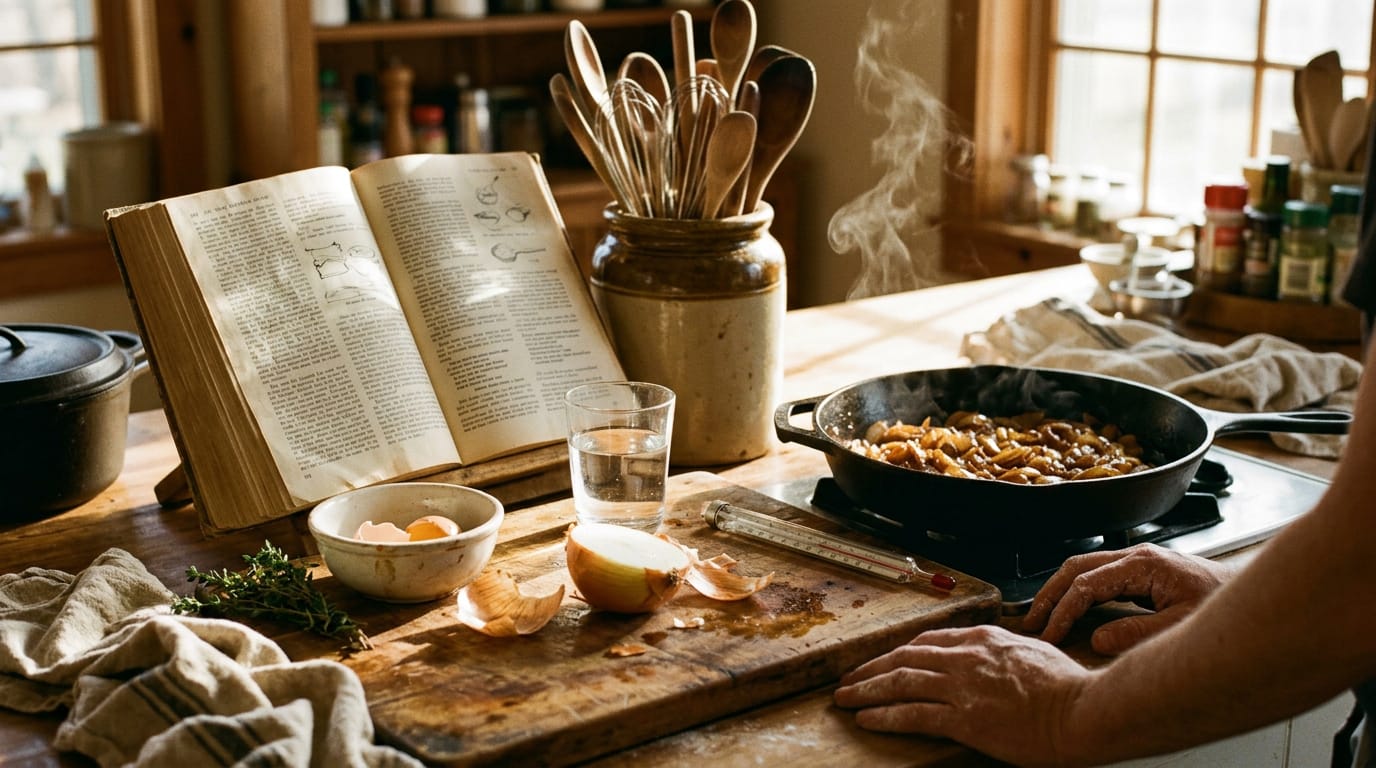
The short versionHarold McGee’s On Food and Cooking is a detailed, readable reference that explains how ingredients and cooking methods change food. It connects kitchen science with culinary traditions, covering ingredients, techniques, preservation, nutrition, and flavor, but offers principles rather than recipes. Use it to understand why dishes behave as they do, make more informed choices at the stove, and adapt favorite foods to your own kitchen.
Ever tried to recreate a dish from a market stall and wondered why yours tastes flat? Often the gap isn’t the recipe. It’s the science happening, or not happening, in the pan.
On Food and Cooking by Harold McGee explains what happens to ingredients when you cook them, and why. Think of it as the reference that turns kitchen guesswork into understanding.
Here, we’ll cover what the book is, who it suits, how it’s organised, how it compares with related titles, which edition to buy, and how to put its science to work on dishes you first tasted while travelling.
Who on Food and Cooking Is For
If you want to know why a dish works, not just how to make it, this book is for you.
What makes it a timeless reference
The book blends kitchen science with the lore of the kitchen, so you get both the reasons and the traditions behind what happens at the stove.
It’s a classic, timeless authority and a definitive reference that explains how cooking works rather than just what to do. If you’re comparing editions, the 2004 revision is the updated one, and that’s where the newer material lives.
Who reads it and why
Readers fall into four groups:
- Professional chefs, who need the reasoning behind a technique, not only the method.
- Home cooks and bakers, like the one rescuing a loaf that didn’t rise.
- Health-minded eaters who want to know what cooking does to their food.
- Obsessed cooks and foodies who already own a shelf of cookbooks and want the reasons behind them.
Consider a home cook who ate crisp-skinned duck in Lyon and wondered how the kitchen got it so crisp. The book gives them a starting point for testing their own method, so the next dinner has a better chance of tasting like the one they remember.
The author’s science and writing background
Harold McGee (Hal McGee) brings two kinds of training to the page. According to The Independent, he trained in physics and astronomy before taking a degree in English literature.
He’s widely regarded as an authority on food chemistry and is often called the father of modern food science. Start with the reasons.
What the Book Covers
Think of Harold McGee’s On Food and Cooking as a reference you can read cover to cover or dip into when a dish goes sideways. Read it in order for the full arc, or jump to the chapter that matches what you’re asking.
How ingredients and techniques really work
The book runs from common ingredients to obscure ones, sorting them into food groups before moving on to cooking techniques. Its culinary reactions material explains the browning and other changes that give a dish its flavour.
The focus is less about what goes in the pan and more about why it changes there.
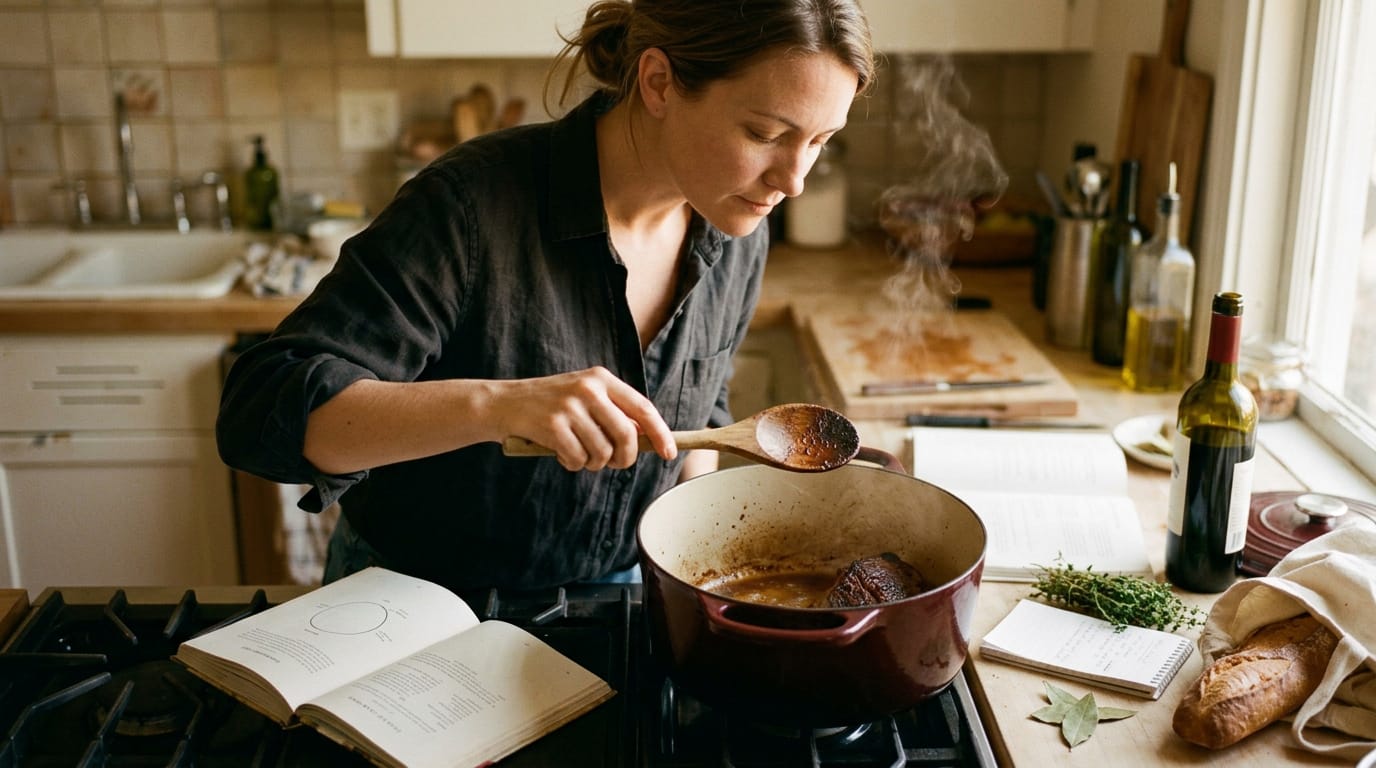
Consider a home cook back from Lyon who wants to recreate a slow-cooked stew. The techniques material helps her cook from reasons, not memory, so she’s not guessing at each step.
How food has been made and preserved
The book traces the historical evolution of food, then compares traditional and modern production to show how today’s methods grew from older ones.
Its material on food preservation and safety covers how people have kept food edible, and regional ingredients and traditional preservation ties those methods to the regions that use them.
A traveller who tasted a cured sausage in one village can use that material to understand how the meat was kept.
What it says about health and nutrition
It covers health benefits and risks alongside nutrition information, so you can weigh what you read against what’s on your plate. This is about understanding what you eat, not following a rulebook.
Tips for choosing and prepping ingredients
The practical side breaks into five themes:
- Selecting the best ingredients: what to look for when you shop.
- Preparation tips: how prep choices shape the finished dish.
- Applying science to cooking: turning explanations into decisions at the stove.
- No recipes included: the book explains principles, so it works alongside the cooking you already do.
- Applying science to travel dishes: rebuilding a dish you loved abroad.
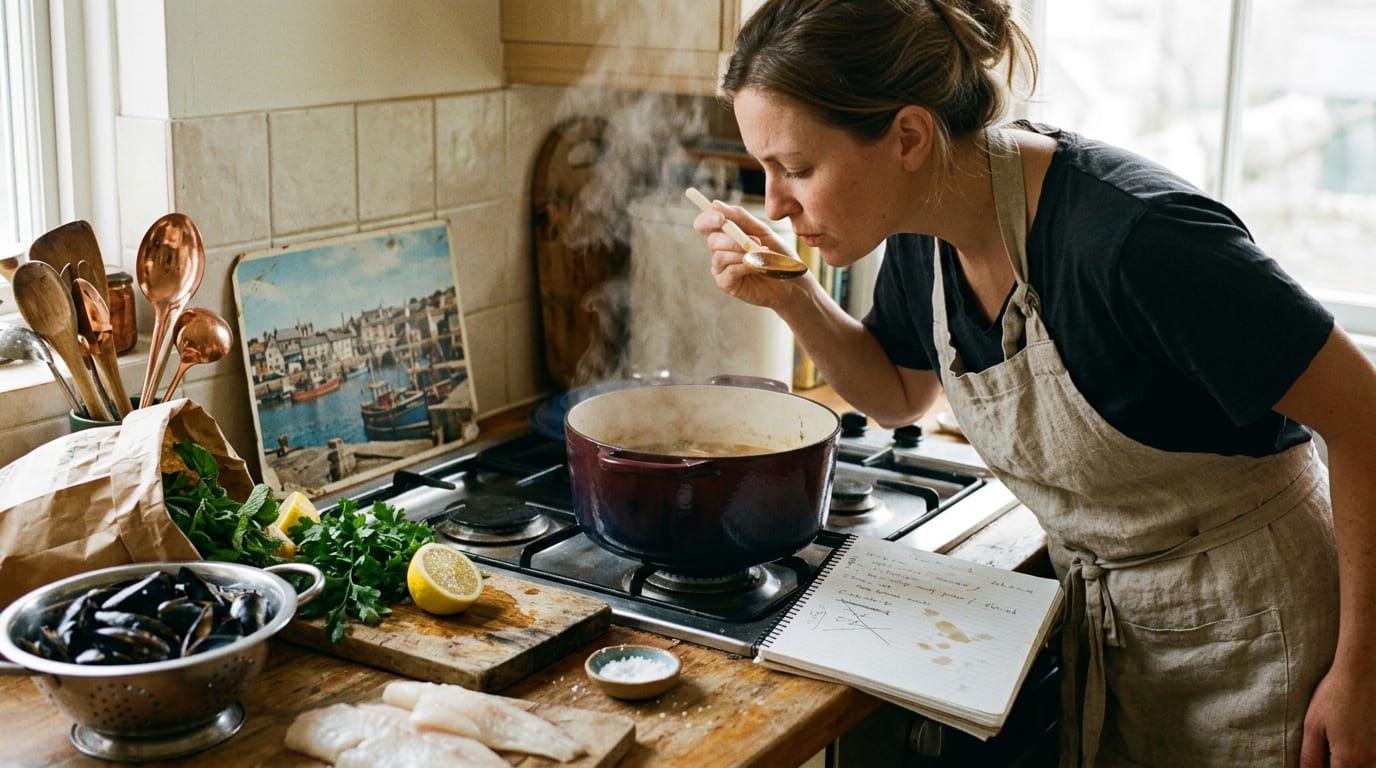
Take a reader who ate a fish stew on the coast and wants to make it at home. With no recipe to follow, she can use the principles to adjust the seasoning to whatever’s fresh at her local market.
The payoff is a dish you can make again. Repeatable beats remembered.
Nearby fields, from chemistry to smell
The book also reaches into neighbouring fields, which helps when your question runs past the kitchen.
- Chemistry and biochemistry: the molecular changes behind what happens in the pot.
- Microbiology: the tiny organisms at work in food, and why they matter for safety.
- The science of smell: how aroma shapes what you taste.
- Molecular gastronomy: the study of the chemistry and physics of cooking.
- Genetically modified organisms (GMOs) and food safety: the debate over GMOs and the safety questions behind it.
How the Writing and Layout Feel
Before you buy, here’s how the pages feel to read and how deep they go.
Clear writing with charts and illustrations
McGee writes in plain language, so you won’t need a food science background to follow along. The book is organized in bite-sized, logical pieces, and it’s less about what to cook and more about why it works.
Charts and illustrations make processes easy to see, and the prose is gracefully written, so it’s an enjoyable read.
Think of a cook who tasted a split sauce in a Lyon bistro and wants to know why. They can find the relevant section, read it beside its illustration, and try a fix at the stove that weekend.
How deep and thorough the coverage runs
The book pairs breadth with depth. It covers a wide range of foods and kitchen questions, and it stays with each one long enough to explain the science, not just hand you a rule. Clarity ties it together, so even technical explanations stay readable.
Treat it as a heavyweight reference: the book to consult when a dish misbehaves, not a light beach read. Keep it on the kitchen shelf and carry its lessons with you on the trip. It rewards a slow read.
The Oxford Companion to Food is an encyclopedia of food history and culture, built to be looked up entry by entry. McGee’s book is built to be read through, with each idea leading to the next.
Next to Salt Fat Acid Heat and The Food Lab, which both pair their ideas with recipes, it reads more as a reference than a cookbook.
What Critics and Experts Say
Before you buy, it’s worth knowing how the book has been received. Critics, fellow authors, and newspapers have all weighed in.
What critics and fellow authors praised
Fellow authors Paula Wolfert and Madeleine Kamman have both praised On Food and Cooking, and reviewers have called it a masterpiece. A published book review notes that the book has received praise from food writers and critics.
The Spectator, the TLS, and the Telegraph have all reviewed it, and The Observer has published praise too.
The Independent went furthest: if you need a present for someone “really obsessed with cooking,” the outstanding choice is “a work that is not new and does not contain a single recipe.” High praise indeed.
Consider a friend who already owns a shelf of cookbooks and cooks every weekend. For them, the lack of recipes is the point, since the food science behind a dish lets them adjust it instead of following a card.
The praise isn’t about what to cook but why food behaves as it does.
Where and How to Buy It
A used copy can be a smart buy, but a few details decide whether it’s the right one. Here’s what to check, and when the book makes a thoughtful gift.
Price, condition, and edition details to check
Check these five details:
- Used hardcover price. Compare listings in the same format and condition. Buy for condition and edition, not just the lowest price.
- Price-clipped dust jacket. The printed price has been trimmed off the jacket. That’s harmless, but the listing should say so.
- ISBN and format. The International Standard Book Number (ISBN) identifies one edition, so match it to the version you want, hardcover or paperback.
- Shipping terms. Confirm whether postage is included and read the return policy in case the book arrives damaged.
- Best seller label. It shows how a listing performs on that site, not the copy’s condition or edition.
Take a home cook who wants a reference for the kitchen shelf. A clean hardcover with the right ISBN and included shipping beats a cheaper copy with a damaged jacket.
Choosing it as a gift for cooks
It makes a strong gift for foodies and cooks who want the science behind the steps, and an obsessed cook who already owns plenty of cookbooks will value it most.
A friend back from a trip with a bread recipe and questions about why their loaf turned out differently at home? Pair the book with a good Dutch oven or digital scales, and you’ve given them the tools and the explanation together.
Good value comes down to use: this is a gift that keeps working, not one that gets read once and shelved. It pays off.
On Food and Cooking rewards cooks who want the reasons behind a recipe, not just the steps. It suits the curious, the tinkerers, and anyone who wants their home cooking to carry a bit of the magic they tasted abroad.
Choose the edition that fits your shelf and budget, then start with one dish you loved on your last trip. Once you know why it works, you can cook it with confidence.
Understand the why, and your favourite trip dishes start showing up on your own table.
References
- Book reviews — onlinelibrary.wiley.com
- The best of 2004: food books reviewed | The Independent — independent.co.uk
- Snail porridge? It’s a matter of taste | The Independent — independent.co.uk
Sources
- Book reviews, onlinelibrary.wiley.com
- The best of 2004: food books reviewed | The Independent | The Independent, independent.co.uk
- Snail porridge? It's a matter of taste | The Independent | The Independent, independent.co.uk