 Eat & Drink
Vegetarian Friendly Restaurants: A Complete Guide
Vegetarian friendly restaurants offer more than a side salad. Compare dining styles, explore global dishes, and check menus before you book.

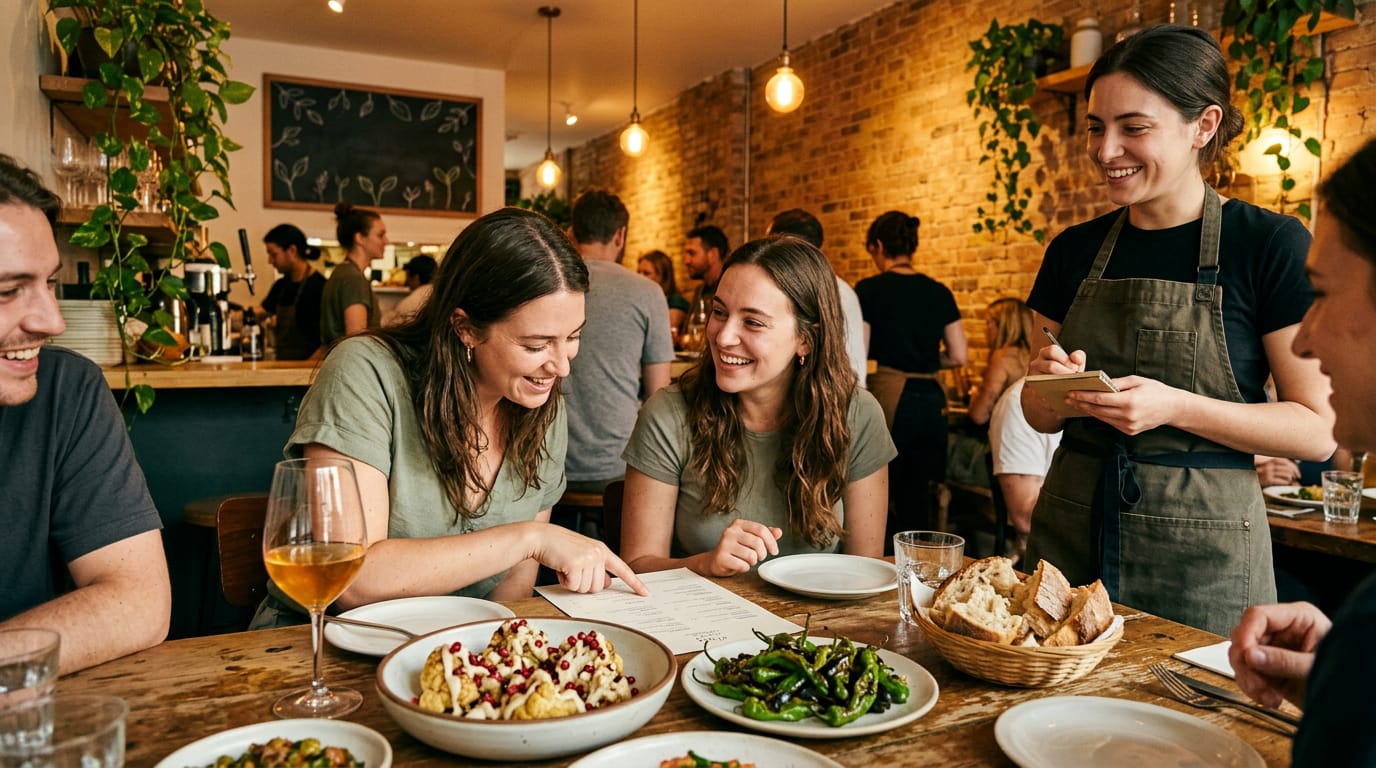
The short versionA vegetarian-friendly restaurant offers satisfying meat-free meals, either because its whole menu is vegetarian or because it has a strong selection alongside meat dishes. Look for clearly marked mains, check stocks, sauces, cooking fats and shared fryers, and ask whether dishes can be adapted; also confirm the current menu, prices and booking details. The right choice is a meal that fits your dietary needs and the occasion, rather than settling for a side dish.
Picture a Saturday in a city you’ve never visited, scanning a menu with one meat-free dish: a side salad and a plate of fries. It doesn’t have to be your story.
A vegetarian-friendly restaurant is one where a meat-free meal is a real choice, not an afterthought.
Some of these places are fully meat-free, and others simply have a strong lineup of vegetarian dishes. We’ll separate the two, answer the questions readers ask most, and show you how to find, check, and book a good meat-free meal in any city.
Vegetarian Friendly Restaurants Versus Vegan Options
Vegetarian and vegan aren’t interchangeable, so start by asking which one your table needs.
Spots that are fully plant-based
Some restaurants are fully plant-based, so there’s nothing to check:
- 100% plant-based places serve no animal products, so you can order from anywhere on the menu.
- Vegan-only menus exclude meat, dairy, and eggs, which suits a mixed group.
- All-vegetarian cafes skip meat and fish but may still serve cheese or eggs, so read closely.
Consider a couple in Lyon, one vegetarian and one vegan. A vegan-only menu lets them order from one list and skip the back-and-forth with the waiter.
Which restaurants have the best vegetarian options?
A mixed menu carries meat alongside meat-free dishes, but a menu that’s meat-free isn’t always plant-based. Meat often sneaks into stocks and sauces, so ask about those first.
Vegetarian-friendly picks label meat-free dishes clearly. Many plates can swap meat for beans or mushrooms if you ask.
Take a solo diner with one lunch in a new city. Three clearly marked vegetarian mains beat a famous spot with one side salad, and the decision takes two minutes.
So which restaurants have the best vegetarian options? Look for a real vegetarian section, a willing kitchen, and a menu that doesn’t hide meat in its sauces.
Menus that change or can be adapted
- Can be made vegan: some dishes lose the cheese, butter, or egg on request.
- Rotating seasonal menus change with the market, so check the current list before you go.
- Menus that add meat options can shift over time, so don’t assume a meat-free menu stays that way.
The menu you read online may not be the one on the table. Ask before you order.
Best Picks for Each Dining Style
We’ve grouped these picks by occasion, since a quick bite and a night out need different places.
Which fast food chain is best for vegetarians?
The best chain is the one with a meat-free main you’d actually order. Check the menu first, then use these quick checks at the counter:
- Burger joints: Look for a veggie patty on the main menu, not in a footnote.
- Taco spots: Bean and vegetable fillings are the usual meat-free starting point.
- Quick bites: Soups are quick, but ask whether the broth is meat-based.
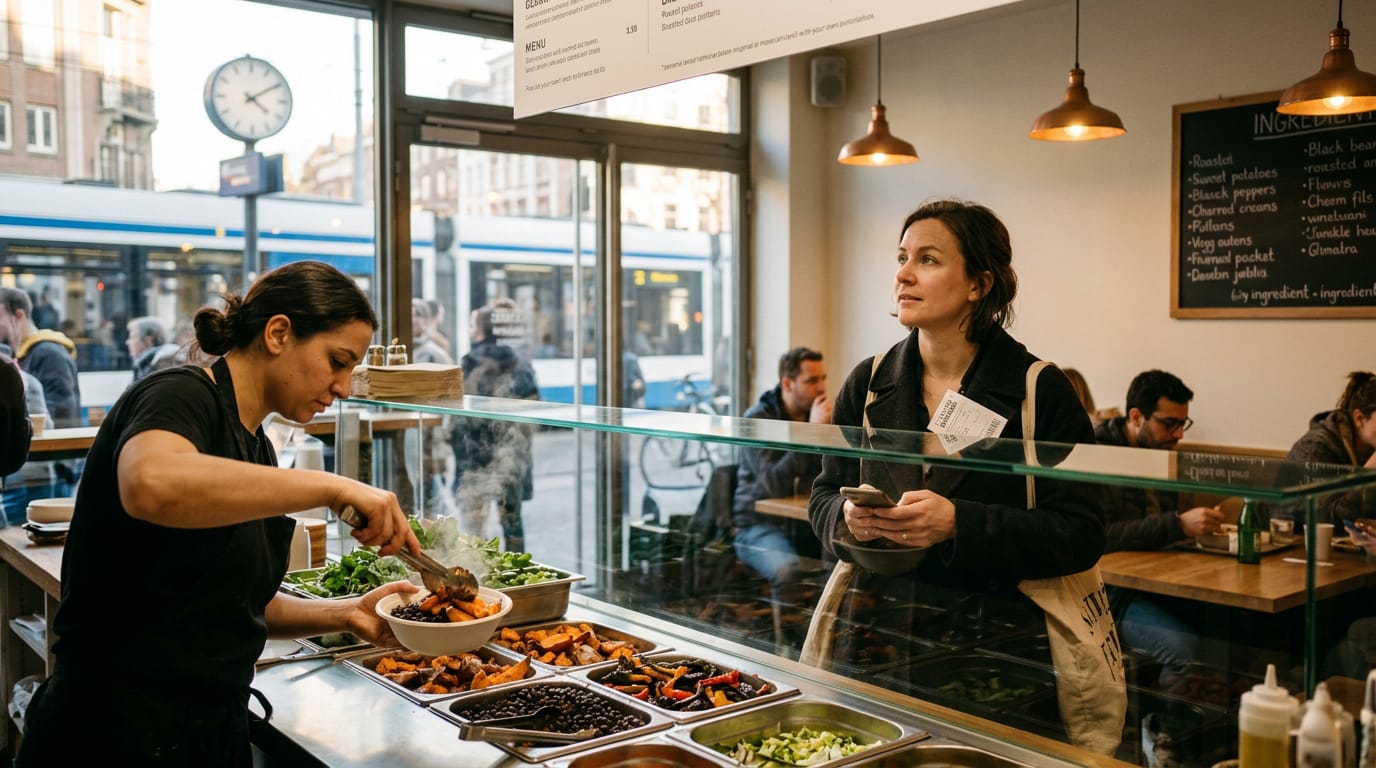
- Build-your-own bowls: Pick a plant base, two or three vegetables, and a sauce whose label you can read.
Chains are predictable from city to city, while a local counter lets you ask the cook what’s in the sauce. Picture a traveler with forty minutes between a museum and a train. Checking the menu on the walk over gets them a real bowl, not fries.
The most vegetarian-friendly chain has a meat-free main and staff who can tell you what’s in it.
Splurge-worthy dinners and tasting menus
For vegetarian dinner, you have two good options. In an all-vegetarian restaurant, every dish is meat-free. In a place with strong meat-free options, only some dishes are, but they’re worth ordering on purpose.
Vegan tasting menus are the most structured splurge: a set run of small courses, with the kitchen handling every swap. Ask whether it’s fully vegan, since vegetarian menus can still include dairy and eggs.
Check the price per person and whether drinks, service, and tax are included. Chef-driven menus follow one cook’s ideas and the week’s market, so dishes change between visits. Save the splurge for a birthday or your last night in a city.
Romantic picks for date nights and anniversaries
A good date night table has low lighting and room to talk, so pick the mood first. A window table can make a simple vegetable plate feel like an occasion, so ask for one when you book.
Mention the anniversary when you reserve so the kitchen can plan a small touch. Book a few days ahead, and say you’re vegetarian at booking, not when you sit down.
Start your day at brunch and cafes
Egg dishes, pancakes, and potato hash make brunch easy to find meat-free. All-day cafes serve breakfast into the afternoon, and many carry a grain bowl or a toastie. At healthy cafes, check dressings and grains, since stocks and sauces can hide meat.
Soup and breakfast burritos are filling, but ask whether the soup uses meat stock. It takes one question.
Food trucks and open-air market stalls
Food trucks change their boards often, so ask the cook what’s meat-free. A truck built around vegetables or one cuisine is a good bet. At an open-air market stall, you can see the ingredients; behind a closed kitchen door, you have to ask.
Campus trucks are built for quick meals between classes, so a veggie wrap is often on the board. A student with an hour between seminars can grab one and still make the next lecture.
Sweets, shakes and drinks worth trying
Zero-proof drinks and mocktails have no alcohol, so they suit anyone not drinking that night. Some ice creams and sweets contain gelatin, which comes from animals, so check the label.
The seasonal shake menu rotates with the fruit, so order it while it’s on the board. Ask whether a craft cocktail’s syrup or garnish contains honey, which some vegetarians avoid.
Signature Dishes from Around the World
Many favorite dishes are vegetarian from the start, so you don’t always need a specialist restaurant. Here’s a top 10 to look for:
- Vegan sushi rolls
- Vegetable momos
- Dosas
- Ethiopian lentil platters
- Hummus
- Falafel
- Bean tacos
- Fried cauliflower
- Waffles
- Pasta with tomato sauce
Asian dishes from sushi to momos
Vegan sushi rolls are a reliable order at many Japanese restaurants, often filled with cucumber, avocado, or tofu. Ramen is the trap, though. The noodles may be vegetarian while the broth isn’t, so ask for a vegetable broth and don’t assume.
Dim sum often includes vegetable dumplings, but many Sichuan dishes use minced meat as a base, so ask for the vegetable-only version.
Nepalese momos are steamed or fried dumplings, often filled with vegetables or paneer. Think of a solo diner in Kathmandu ordering vegetable momos and soup: a filling lunch with nothing to negotiate.
Japanese fusion spots pair vegetables with tempura or spicy mayo, but check the fryer, since shared oil can carry seafood.

Tacos and flavors from Latin America
Vegetarian tacos often use beans, potatoes, or mushrooms, but ask whether the beans were cooked with lard, a pork fat. Latin American vegan kitchens lean on beans and corn, so bean pupusas and arepas are easy picks.
Dominican plates of stewed beans and rice make a good base, but meat often goes into the pot for flavor.
Tex-Mex (Texan-Mexican fusion) menus offer cheese enchiladas and bean burritos. The real question is the beans, not the cheese.
South Indian, Ethiopian and Mediterranean favorites
Many South Indian kitchens are fully vegetarian, so dosas, crisp rice-and-lentil crepes often filled with spiced potato, are an easy yes. Ethiopian restaurants serve injera, a spongy fermented flatbread, with lentil and split pea stews.
Order the vegetarian platter to sample several.
Lebanese mezze, small shared plates of hummus, baba ganoush, and falafel, can make a full dinner. Tzatziki and olive tapenade are vegetarian too, but some tapenades contain anchovies, so ask.
Meat-free twists on classic favorites
Mock meats like seitan, tofu, tempeh, and jackfruit stand in for chicken or beef. Vegan burgers are often bean or mushroom patties, so ask whether the patty shares a grill with meat.
Seafood-free paella or risotto is easy to request, but check the stock, which is often the hidden catch.
Plant-based fried chicken is often made from seitan or cauliflower in a crisp coating. Ask whether it has its own fryer.
Vegan comfort food and American favorites
Vegan comfort food often leans on cashew cream and beans, so mac and cheese or chili can satisfy just as much. Fried mushrooms and cauliflower make a good share plate, but milk or eggs can sneak into the batter.
Waffles are usually vegetarian, but ask about butter and eggs if you’re vegan. Poutine often uses beef-based gravy, so request a vegetarian version. Pasta is a dependable fallback: order a tomato sauce, and ask whether the pesto contains Parmesan.
One question is all it takes.
What to Know Before You Go
Most of the work happens before you leave home, so we’ll start there. Know where to look, what the room will feel like, and how to vet the menu.
Where to find spots by neighborhood
Search the map by neighborhood, filter for vegetarian options, then check nearby attractions so lunch falls between the market and the museum.
Consider a traveler with one free afternoon: two vegetarian spots near the gallery beat a place forty minutes away.
Chains with several branches can run different menus, so check the address you’re actually visiting.
What the mood and decor feel like
Atmosphere tells you whether a place suits your meal. A cozy and casual room suits a quick solo lunch, an eclectic space suits a loose, chatty group, and sophisticated settings suit a longer dinner. For a group, ask whether everyone can sit together.
Choose the room that fits the meal, not the one with the best photos. Picture a couple planning an anniversary dinner and a quick weekday lunch: they’ll need two very different rooms from the same list.

Booking ahead, prices and wait times
Every restaurant has its own reservation policy. Some take bookings weeks out and others hold tables for walk-ins, so check the booking page or call.
Check the posted prices too, and whether a set menu is priced separately, since a surprise at the bill can sour a good lunch.
Ask when the rush starts so you can time your arrival. Good value means a lunch that won’t blow the day’s budget. If a vegetarian tasting menu appeals, book it ahead, since seats can run out.
To vet the menu, look for dishes that are vegetarian as written, not a salad with the meat picked out. Then message the restaurant to confirm the sauces are meat-free. It takes a minute.
Ingredient sourcing and ethical values
A menu that changes with the season often points to local ingredients. If organic and non-GMO (free of genetically modified organisms) matter to you, ask which dishes carry those labels rather than assuming the whole menu does.
Sustainability is easier to judge when a restaurant names its suppliers. Fair wages are harder to see from your table, so check what the restaurant publishes or ask directly.
If you keep kosher, remember that vegetarian doesn’t mean kosher. Ask whether the restaurant holds a kosher certification and how it keeps dairy and meat apart.
How This Reviewer Chooses and Ranks
A vegetarian-friendly list is only as good as the meals behind it. Here’s how we pick, order, and judge each place.
Why a vegetarian reviewer’s visits count
Most lists lean on menus and other people’s write-ups. Our picks rest on first-hand visits: we sit down, order, and eat the meal ourselves. A menu can promise more than the plate delivers.
One meal can be a fluke, so we make repeat visits before a recommendation sticks. Think of a couple with one dinner slot on a long weekend. They’ll want to know the mushroom main holds up on a packed Saturday, not just a quiet Tuesday.
We also track favorite orders, the specific dishes that earn a place its rating. A place earns its spot for what it cooks, not how it looks.
This reviewer judges every menu through a vegetarian lens, so a dish labeled meat-free has to hold up on its own. Consider a guest who orders the vegetable soup, only to learn it was made on meat stock. Ask about the stock.
Lists grouped by category or preference
No single ranking suits every diner, so we sort places first. It works in four parts:
- Category groupings. All-vegetarian restaurants sit in one group, and menus with strong meat-free options sit in the other.
- Descending preference order. Within each group, the strongest pick leads and the rest follow in descending order of preference.
- Editorial awards. A place that earns one gets the badge and the reason behind it.
- Candid negative reviews. A famous spot with a thin meat-free menu gets an honest review, not a silent omission.
Whether you’re choosing a fully meat-free kitchen or a menu packed with strong vegetarian dishes, the goal is the same: a meal you’re excited about, not one you settle for.
Knowing the difference between the two types of restaurant, asking the right questions before you go, and booking early when it counts will take most of the guesswork out of planning.
Plan the meal first, and the city will do the rest.
Questions
What are the top 10 foods for vegetarians?
A varied top 10 of vegetarian dishes includes vegan sushi rolls, vegetable momos, dosas, Ethiopian lentil platters, hummus, falafel, bean tacos, fried cauliflower, waffles, and pasta with tomato sauce. Check sauces, stocks, and cooking methods, since they can contain animal ingredients.
What restaurants have the best vegetarian options?
Look for restaurants with a dedicated vegetarian section, clearly labeled meat-free dishes, and a kitchen willing to adapt meals. Fully vegetarian restaurants are another reliable choice; confirm that sauces and stocks are meat-free when dining at mixed-menu places.
Which vegetarian restaurant is best?
The best vegetarian restaurant depends on your location and what kind of meal you want. Choose an all-vegetarian restaurant for a fully meat-free menu, or a mixed-menu restaurant with several appealing vegetarian mains and staff who can confirm ingredients.
Where to go for dinner vegetarian?
For vegetarian dinner, try an all-vegetarian restaurant or a mixed-menu place with strong meat-free options. For a special occasion, consider a vegan tasting menu; book ahead and confirm the price and whether drinks, service, and tax are included.
Which fast food place is most vegetarian friendly?
There is no single best fast-food place for every vegetarian. Look for a chain with a satisfying meat-free main, such as a veggie burger, bean-and-vegetable tacos, or a customizable bowl, and check ingredients and preparation with staff.
Which fast food chain is best for vegetarians?
The best fast-food chain for vegetarians is one with a meat-free main and staff who can explain its ingredients. Check the specific location’s menu, since offerings can vary, and ask whether broths, sauces, or shared cooking surfaces involve meat.