 Trip Planning
Travel to Seoul Made Simple for a First Visit
Travel to Seoul with a clear first-timer plan: sort entry, timing, budget, transport, and where to stay, then choose sights, food, and day trips.
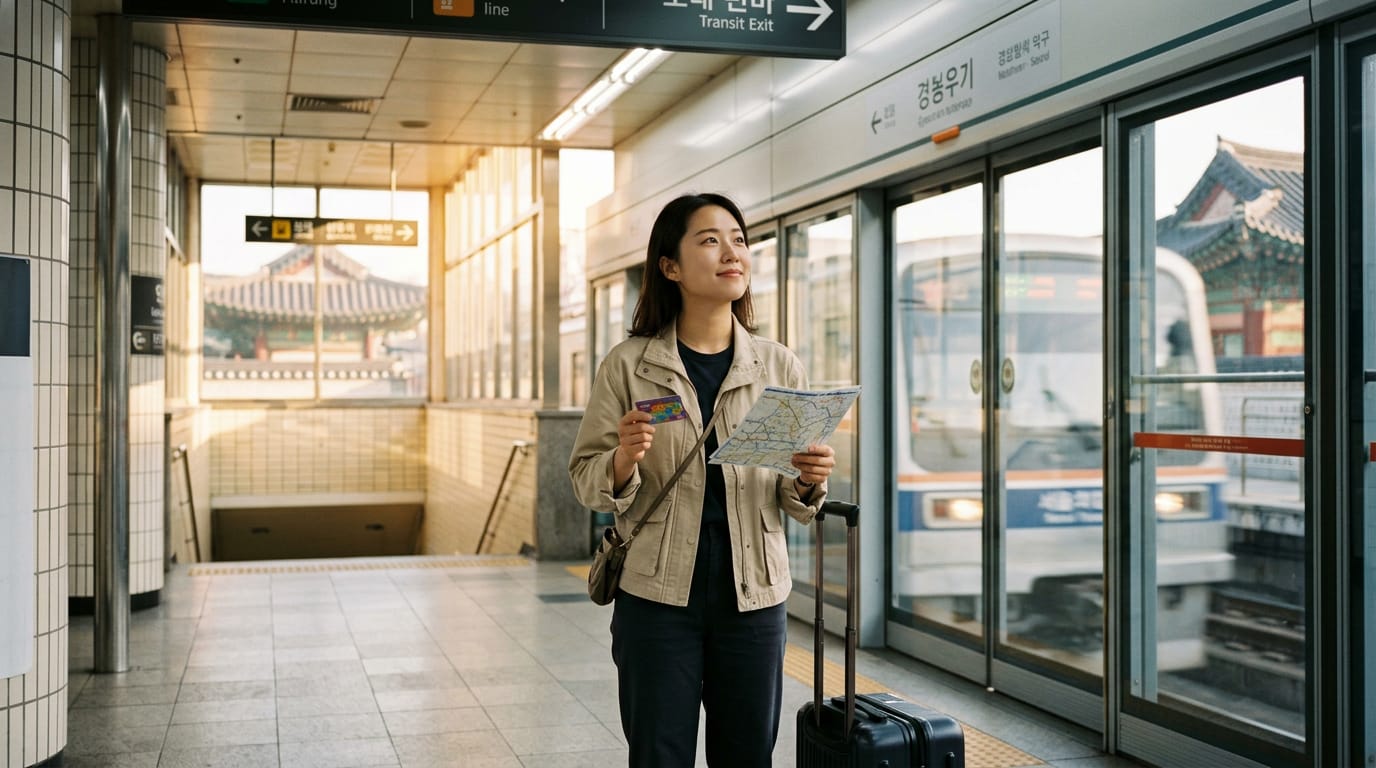
The short versionTravel to Seoul means planning a visit to South Korea’s capital, a city where historic palaces, modern neighborhoods, markets, and excellent public transport make exploring manageable for first-time visitors. Sort out entry requirements, travel dates, a well-placed base, and transit before you go, then plan a few must-book meals or activities and leave space to wander. A focused plan makes it easier to enjoy Seoul’s food and sights without overscheduling or overspending.
Think about the last trip you planned with a folder of screenshots and a nagging feeling you’d forgotten something. A first visit to Seoul can feel the same way, but it’s easier than it looks.
Seoul is one of the more straightforward big cities for a first-timer to get around and eat well.
This guide starts with the practical side: entry, timing, budget, transport, and where to stay. From there, we’ll look at what to see, eat, and shop, so you can build one clear plan you’re ready to book.
Why Travel to Seoul Suits First-Timers
Seoul is a strong first stop for anyone new to Asia, and it asks less of you than you might expect. Here’s what makes it easy to enjoy, the habits that smooth your days, and how to stay safe.
Why the city is easy to enjoy
Seoul is an easy entry point to Asia. Its infrastructure is efficient and reliable, so getting around rarely swallows your day. The city blends history and modernity, so old and new sit side by side. It’s also affordable compared with other destinations.
Think of a first-timer with a long weekend, one market lunch, and one dinner booking. In Seoul, that plan leaves room for wandering without a month of spreadsheets. You need fewer plans than you think, but you should book the few that sell out.
Everyday tips and local customs
Some habits smooth things out:
- Tax refunds: carry your passport, because you’ll need it to claim them.
- Maps: use Naver Maps or Kakao Maps for directions.
- Payments: it’s mostly cashless, and tipping isn’t expected.
- Transit: expect pushy crowds, so don’t wait for a polite gap.
- Language: use translation apps for menus, signs, and quick questions.
English isn’t guaranteed everywhere, so don’t count on it for every conversation. A translation app fills the gaps. For etiquette dos and don’ts, keep it simple: carry your passport, use a local map app, and skip the tip. Simple, really.
Staying safe as a visitor
According to a 2026 safety guide for tourists, Seoul consistently ranks among the safest major cities in the world. Petty crime is uncommon, so your attention can stay on the food. Stay alert at night, not anxious.
Public transport is safe, so it’s a sensible way to get around.
Planning the Basics of Your Trip
Most of a good Seoul trip is settled before you board, so sort out the season, entry, and length of stay first.
Picking the best season to go
The best season suits your plans, not just the prettiest photos.
- April cherry blossom season: popular, so book flights and rooms early.
- Spring and autumn: pleasant for walking all day.
- Winter: chilly but manageable, so pack a warm layer.
- Seasonal festivals: check which fall on your dates and build one into a day.
Ways to reach Seoul and downtown
Check entry first. Some travelers need a K-ETA (Korea Electronic Travel Authorization) before flying, while others are exempt. We won’t list exempt countries because the list changes, so confirm your passport on the official list.
As for shots, we haven’t listed required vaccinations either, so ask your doctor or a travel clinic.
Direct flights are simplest. Connections add a stop, so weigh that extra time before you book.
Consider a solo traveler with one bulky bag and a downtown hotel. The airport train is cheaper than a cab, so it’s the smart pick.
Regular trains stop at more stations, while express trains skip stops and get you downtown faster, so choose based on whether time or money matters more. An airport bus works if your hotel sits near one of its stops.
Some airports also have a bathhouse where you can shower and rest on a long layover.
How many days are enough in Seoul?
Three days covers the highlights if you’re disciplined, five gives you room to slow down, and a week is ideal. Don’t try to see everything: plan for depth rather than coverage.
Consider a couple with five days who book two dinners ahead and leave every lunch for a market counter. They eat well without rushing.
Is a trip to Seoul expensive?
Not necessarily. Food and transit are cheap, and many attractions are free, but central hotels cost more than places further out. The biggest swing is where you sleep, not what you eat. For a sample day, plan:
- a bakery breakfast
- a counter lunch
- a free afternoon walk
- one sit-down dinner
We haven’t listed prices because they shift, so check current rates before you book.
Getting Around Seoul Without Stress
Seoul is easier to get around than most first-timers expect.
Riding the subway and city buses
The subway is the backbone of the city, with 22 lines to get you across town. Service runs from early morning until late at night, so you can plan a whole day around it.
Buses fill the gaps, and they’re color-coded, so you can spot the right one at a glance. Fares are cheap. Use the Korea Subway app to plan each leg before you leave your hotel.
Plan by time rather than distance, since a stop that looks close on a map can mean a long transfer.
Consider a solo diner who rides across town for lunch and back for dinner, saving the difference for another meal.
Paying with transit cards and apps
Pay with a T-Money card, and top up at stations as you go. The Climate Card has its own limits, so check them before you buy, since it only pays off within them. Install Kakao Maps and Naver before you land for directions alongside your usual map app.
Think of a traveler with a dinner across town who tops up at the first station, then checks Kakao Maps before leaving so they arrive on time.
Hailing a taxi or renting a bike
- Kakao taxi app: book a ride for late nights and rainy days.
- Uber: limited in Seoul, so don’t build your day around it.
- Ttareungi: the city’s public bikes, good for short hops at your own pace.
- Daily rental: cheap enough to try for a single afternoon.
Consider a couple who rent bikes on a Saturday, then book a taxi home after a late show. Taxi for the late nights. Bike for the slow afternoons.
Where to Base Yourself in Seoul
Your base shapes how every day feels, so settle it early. Start with how you’ll spend your days, not what the room costs, then pick the hotel.
Picking a neighborhood that suits you
A couple on a first long weekend who want to shop and eat out after dark will love a central base in Myeongdong, where they can walk back after dinner instead of hunting for a taxi.
Here’s how the options compare by trip style:
- Myeongdong: best for a first visit that’s mostly walking, shopping and eating out.
- Split stay across the river: divide your nights between the two sides of the Han River to see both without choosing one for the whole trip.
- Gangnam or palace side: the palace side suits trips built around history, while Gangnam suits a more modern, late-night pace.
Hotels that fit different budgets
- Four Points Myeongdong: a practical pick for a moderate budget in the central base.
- Four Seasons: the luxury choice, when the hotel itself is part of the trip.
- Palace-view suites: a splurge with a view of the palaces.
- Budget options via booking sites: compare listings by location and recent reviews, not just the nightly rate.
Short-term rentals such as Airbnb are another option, but privacy comes first.
Hidden-camera concerns have been raised about short-term rentals in Seoul, and in one case involving hotel rooms, Stuff reported that South Korean police say they’ve arrested four people on suspicion of secretly filming about 1600 guests.
Ask the host to confirm in writing that there are no cameras inside. If they hesitate, book a hotel.
Sights You Shouldn’t Miss
Seoul moves quickly between old palaces and new neighborhoods, so decide early which sights earn a place in your days.
Exploring Seoul’s royal palaces
Gyeongbokgung is the most iconic of the royal palaces and the natural first stop. Give it a morning, then consider:
- Changdeokgung and its Secret Garden: plan a separate slot for the garden.
- Deoksugung: catch the changing of the guard, and time your visit around it.
- Less crowded palace alternatives: a good pick if the main palaces feel too busy.
Here’s the budget tip: renting a hanbok, the traditional Korean dress, can get you free palace entry, so check that before you buy a ticket. Think of a solo traveler with one free morning.
They rent a hanbok, walk the palace grounds in it, and put the saved entry fee toward lunch.
Wandering the traditional hanok villages
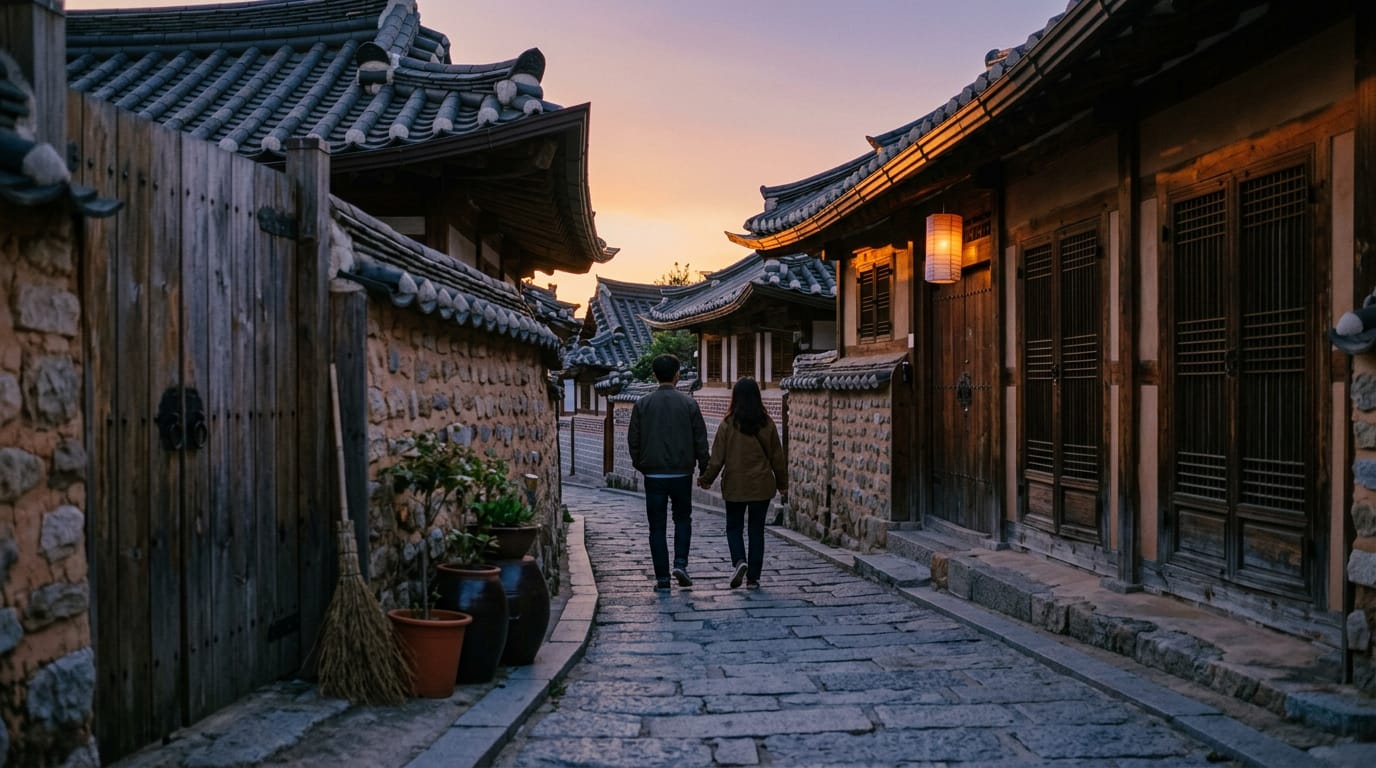
A hanok is a traditional Korean house, and these neighborhoods let you walk past whole streets of them. Start with Bukchon Hanok Village, add Ikseon-dong Hanok Street for a second look at the style, or choose Namsangol village for a slower visit.
These lanes are home to residents, so keep your voice down, stay out of private doorways, and remember you’re walking through someone’s neighborhood.
Visit at sunset, when the light on the tiled roofs is at its best. Think of a couple who walks Bukchon in daylight, then returns at dusk. It’s about when you go, not just whether you go, and the two visits feel like different places.
Browsing the city’s lively markets
Gwangjang Market is the place to eat well, with stalls you can taste your way through. For seafood, head to the Noryangjin fish market. Myeongdong is the easiest spot for a street food walk, since you can sample several dishes in one stroll.
Carry cash for the stalls, since they may not take cards.
Museums, temples, and lookout points
The National Museum of Korea is best treated as context for the rest of your trip, not another checkbox. Jogyesa Temple is known for its lanterns, which make a striking photo. For a view over the city, head up to N Seoul Tower.
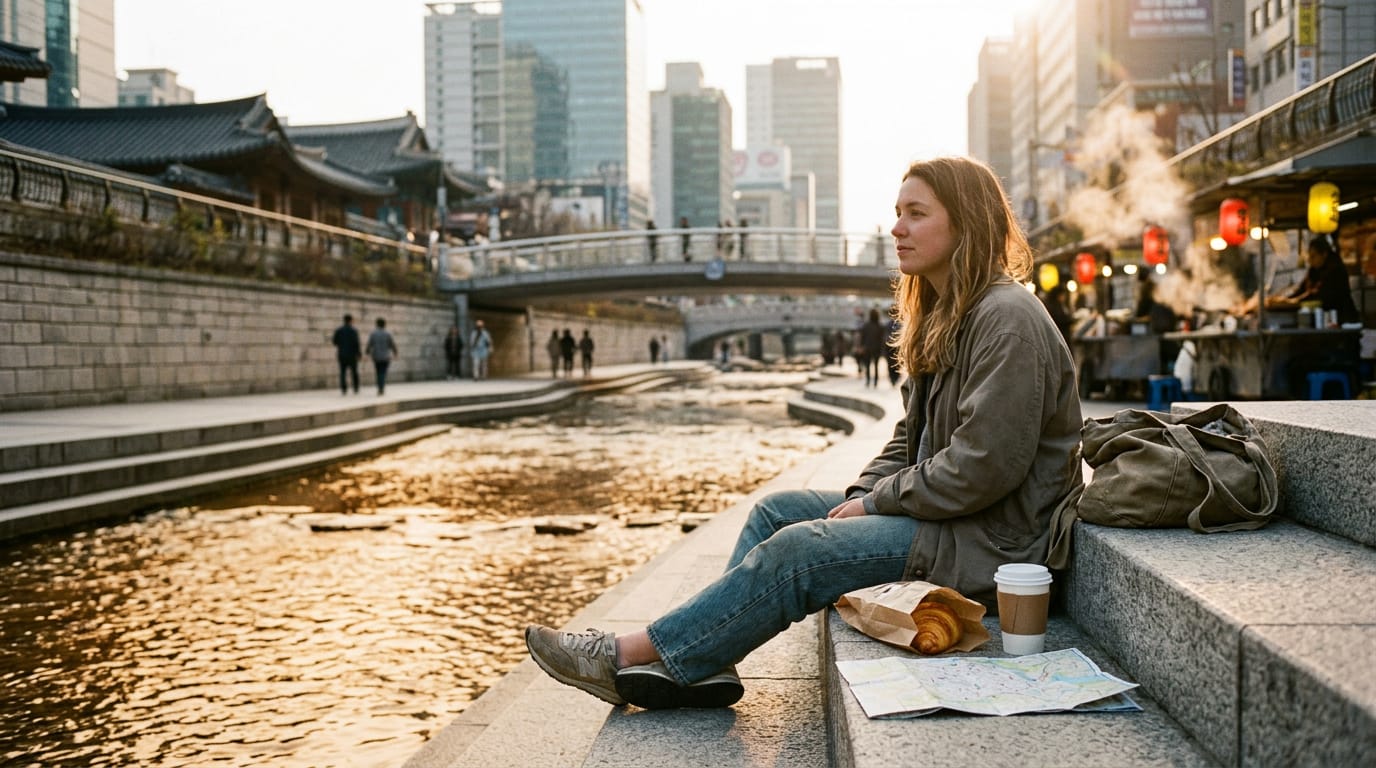
Cheonggyecheon Stream is an easy walk through the city, a good way to reset between sights. The Starfield Library makes a worthwhile photo stop.
Joining a guided DMZ tour
The Demilitarized Zone (DMZ) is the heavily guarded border area between North and South Korea, and you can only visit it on a guided tour.
Stops can include the Dora Observatory, a lookout over the border, and the Third Infiltration Tunnel, which you explore on foot.
Think of a traveler with one spare day who wants more than palaces. The guided tour gives that day a view of the border that no palace can offer. Bring your passport.
Pop culture neighborhoods to explore
The Gangnam district is the neighborhood the song made famous, and the Gangnam Style statue is an easy photo stop. Then add K-Star Road, Ihwa Mural Village for its murals, or Hongdae-style hipster areas for something younger and less polished.
Consider a couple who wants a lighter day: a photo at the statue, a slow walk among the murals, and a Korean baseball game to close out the evening. Their day shifts pace twice, and that’s the point.
What to Eat and Drink Here
Food is one of the easiest ways to get to know Seoul. Plan your days around a few meal stops, then fit sightseeing around them.
Classic Korean dishes to try
- Gimbap: a seaweed-wrapped rice roll that’s easy to eat on the move.
- Tteokbokki: chewy rice cake in a sweet, spicy sauce.
- Bibimbap: rice topped with vegetables and mixed before eating.
- Bulgogi: marinated, thin-sliced beef and a reliable first order.
- Pajeon and mung bean pancakes: savory pancakes, with pajeon made from scallions.
- Ginseng chicken soup: a whole chicken stuffed with rice and ginseng.
Consider a solo diner with an hour between sights. Gimbap gets them fed and back on the street, while bibimbap is a whole meal in one bowl, not a side.
Enjoying Korean BBQ and fried chicken
At a Korean BBQ restaurant, the grill sits at your table, a style called tableside cooking. You control how done the meat gets.
Soju is a clear Korean spirit, usually shared: pour for others, and let them pour for you.
Think of a couple on their first night who want a long dinner together. This is a meal you build yourself, not one that arrives finished.
Korean fried chicken has a crisp coating and pairs well with beer.
Cafes, bakeries, and trendy spots
Cafes here work as a third space, a place that isn’t home or work where you can linger. Aim to stay rather than pass through.
Salt bread is a soft, lightly salted loaf, an easy snack between meals.
TikTok-hyped spots can mean long queues, so check hours first. Go for the food, not the photo.
A Michelin-listed restaurant suits one planned splurge. Check whether it takes reservations before you plan around it.
Consider a traveler with a slow Saturday: a window seat at a cafe, salt bread on the way, and one booked dinner.
Joining food tours and market stalls
A guided Myeongdong food tour is a strong first-day pick, since a guide explains what you’re eating.
At wholesale seafood stalls, you choose your catch and it’s cooked on site.
A knife-cut noodle stall serves hand-cut noodles in broth, ideal for a quick lunch.
Seoul offers a wide variety of cuisines, so pair a stall lunch with a different one at dinner. These stalls reward curiosity more than reservations.
Shopping for Beauty and Style
Beauty shopping is a highlight for many visitors, so plan your stops rather than wander.
Skincare shopping and tax refunds
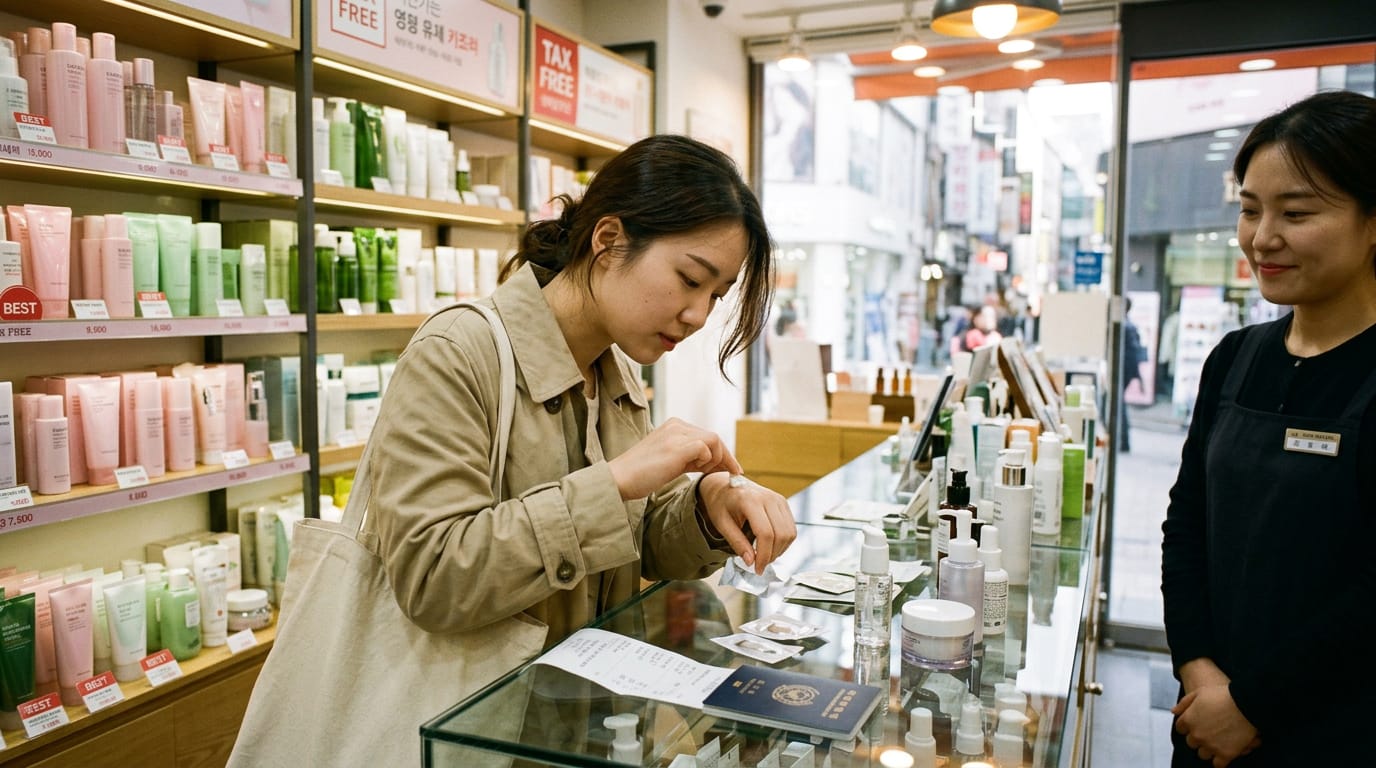
Start with Olive Young, a major beauty chain with many brands under one roof. Then head to the skincare shops in Myeongdong. Ask about free samples before you pay, since they’re a cheap way to test a product.
When you buy, ask for a tax-free receipt and check the value-added tax (VAT) refund steps before you leave, since you’ll usually need your passport. Your aim is to try before you buy.
Bargain hunting and everyday shopping
- Underground subway shops. Quick stops between trains.
- GoTo Mall. Good for browsing and comparing prices.
- Daiso souvenirs. A budget chain, ideal for small gifts.
- Gangnam high street. A relaxed stroll for window shopping.
- Luxury malls. Best for a splurge or just looking.
Think of a reader with a free Saturday: a subway-stop shop on the way to lunch, a Daiso run for gifts, and one splurge. Browse first, buy second.
Cosmetic treatments and spa days
Cosmetic procedures in Seoul are cheaper than in many other destinations. According to The Korea Herald’s glow-up guide, Botox, which can cost around $400 in New York, is roughly $30 in Seoul.
Research each clinic carefully. Pick it for its care, not its price, and book a consultation before you commit.
A jimjilbang, a Korean bathhouse with heated rooms and rest areas, makes an easy evening out.
Book treatments early so you can rest before the rest of your trip. Think of a reader on a five-day trip: a consultation on day one, a jimjilbang evening midweek, and a quiet last afternoon.
Escaping the City for a Day
A day outside the city can be the best part of a Seoul trip. Here’s how to pick one that fits your free hours.
Visiting Nami Island from Seoul
Nami Island is a popular K-drama setting, so its tree-lined lanes may look familiar before you arrive. Getting there takes a train and then a shuttle, so allow most of a day for the round trip.
Once you’re on the island, you can try the zipline or take the ferry for a different view of the water. Consider a couple with one free Saturday who take the morning train, walk the lanes over lunch, and book the zipline for the afternoon.
They still make it back for dinner in the city. Spring or autumn is the sweet spot, and when you go matters more than how long you stay.
More outdoor escapes near Seoul
Choose by what you want from the day:
- Seokransan National Park: real trails and fresh air, a good fit for a reader who wants a longer hike.
- Elysian Gangchon ski resort: the choice for winter visitors who’d rather be on snow than on a path.
- Hanyangdoseong city walls: a history walk within the city, so it fits a short afternoon.
- Parks and hiking trails: a short-notice option when you only have an hour or two.
- Day trips guide: for a fuller list of options, our day trips guide covers the rest.
Think of a reader with one spare afternoon and a lunch booking downtown: a city wall walk before the meal fills the gap with no train ride. Pick one and go.
Spots for Cherry Blossom Season
The blossoms are less about where you stand and more about when you show up. Pick two or three spots that fit in one morning, then pick your day.
Where to see blossoms and when
Four spots deserve a place on your list:
- Palace grounds: Start here if you want blossoms with a sense of history. Go early, before the midday crowds, and plan lunch nearby.
- Seoul Forest: A good pick for a slower walk when you’d rather linger than hurry.
- Yeouido festival: The energy is the draw, so come with a plan for crowds and a meal close by.
- National Assembly Building: Works well as a short stop on a longer walk, so it doesn’t need a trip of its own.
Consider a couple with one free Saturday in April who want blossoms and lunch without a full day of queuing. They pick one spot for the morning, eat nearby, and keep the afternoon loose. If the bloom is still going, they add a second stop.
If it’s already past, the afternoon was theirs anyway.
April is your window, but peak bloom shifts from year to year, so check the forecast in the week before you travel. Lock in flights and rooms for April, and keep your blossom day open until the forecast firms up.
Blossoms don’t keep a calendar, so your plan shouldn’t either.
Seoul makes a good first big-city trip because the essentials are manageable once you’ve covered them. Sort out entry, timing, and budget early, choose a base near the transport you’ll use most, and let your meals set the rhythm of each day.
Book the lunches and dinners that sell out, leave room to wander, and the palaces, markets, and shopping streets will fill the gaps easily. Plan the basics, and the city does the rest.
References
- Is Seoul Safe for Tourists? Complete 2026 Safety Guide — seoultourism.org (2026)
- From head to toe, this is what a glow-up trip to Korea looks like — koreaherald.com (2026)
- Four arrested amid South Korea hotel spy camera scandal — stuff.co.nz
Questions
What are the 50 most beautiful places to visit in Korea?
There is no single definitive list of Korea’s 50 most beautiful places, but popular choices include Gyeongbokgung Palace, Changdeokgung Palace, Bukchon Hanok Village, Jeju Island, Seoraksan National Park, Busan, Gyeongju, and Nami Island. Other favorites include the beaches of Busan, the DMZ, Seoul Forest, and the country’s coastal and mountain parks. The best places depend on whether you prefer cities, history, beaches, or nature.
How many days are enough for a Seoul trip?
Three days is enough to see Seoul’s main highlights at a brisk pace. Five days gives you more time to slow down, and a week is ideal if you want to explore more neighborhoods or take a day trip.
Do you need shots to visit Korea?
Routine vaccinations should be up to date, but whether you need any additional shots depends on your health, itinerary, and current travel-health guidance. Check with a doctor or travel clinic before departure for personalized advice.
Is English widely spoken in Seoul?
English is not guaranteed everywhere in Seoul, so you should not rely on it for every conversation. Translation apps can help with menus, signs, and quick questions.
Do and don'ts in South Korea?
Do carry your passport, use Naver Maps or Kakao Maps for directions, and expect crowded public transport. Tipping is not expected in South Korea, and when visiting residential hanok neighborhoods, keep your voice down and stay out of private doorways.
Is a Korea trip expensive?
A trip to Seoul can be affordable compared with many other destinations: food and transit are inexpensive, and many attractions are free. Accommodation, especially in central neighborhoods, is usually the biggest factor in your budget.
Which countries are exempt from the K-ETA requirement in South Korea?
K-ETA exemptions vary and can change, so check the current official K-ETA or Korean immigration list for your passport before traveling. Some nationalities are exempt for specified periods, but eligibility and conditions depend on nationality and travel date.
Is it okay to travel to London now?
For many travelers, London is open to visitors, but safety and entry conditions can change. Check current UK government travel advice and entry requirements, along with local transport or disruption updates, before you go.
Sources
- Is Seoul Safe for Tourists? Complete 2026 Safety Guide, seoultourism.org,
- From head to toe, this is what a glow-up trip to Korea looks like - The Korea Herald, koreaherald.com,
- Four arrested amid South Korea hotel spy camera scandal | Stuff, stuff.co.nz