 Destinations
Argentina Breakfast Food Explained, From Medialunas to Mate
Argentine breakfast food means medialunas and facturas with coffee or mate. Find what to order by city, plus merienda habits and recipes to make at home.
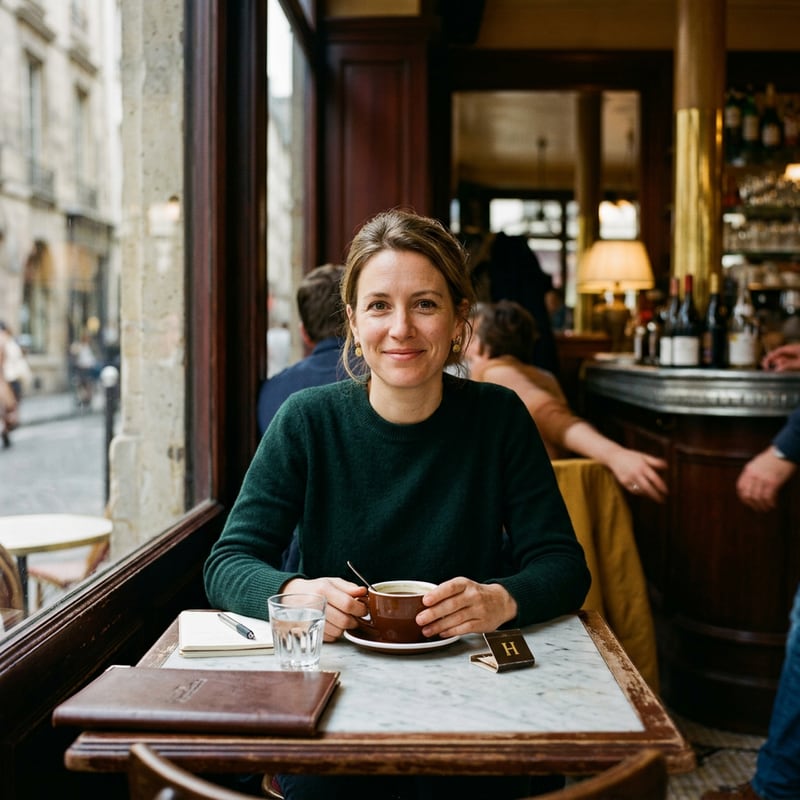
The short versionArgentine breakfast is usually a light, quick meal built around coffee or mate and a sweet medialuna or another factura, though toast and savory empanadas are options too. The custom favors simple café food, shared drinks, and an unhurried start, while an afternoon merienda helps bridge the gap to a late dinner. In practice, a neighborhood café or bakery is an easy place to try the pastries and get a feel for Argentina’s daily meal rhythm.
Picture a corner café in Buenos Aires, a warm pastry on the plate and a coffee in hand. Argentine breakfast is simpler than a hotel buffet, but it has its own rhythm, and knowing it makes your mornings easier.
The heart of it is the medialuna, a small sweet crescent pastry, plus the wider family of facturas. Most people drink them with coffee or mate, a bitter herbal tea shared from a gourd. Here’s what to eat, drink, and order in each city.
Argentina Breakfast Food at a Glance
A common Argentine breakfast is a cup of coffee or mate (a traditional herbal drink) with a sweet medialuna or factura.
Keeping breakfast light, sweet, and quick
Breakfast is light and simple, with the focus on bread and coffee rather than a heavy plate. Compared with a hearty Western breakfast, it’s about something sweet and quick, not eggs and meat. Light is the point.
Many people eat breakfast late rather than at dawn, so you needn’t be up early to eat like a local. Eating light also saves your appetite for a late dinner.
A hotel breakfast can feel generic, but a local café gets you the real thing. Think of a traveler with a walking tour ahead who grabs a coffee and a medialuna at the corner café and is out the door in minutes.
How breakfast fits into the day
Argentina follows a Mediterranean-style eating schedule, with several meals spread across the day:
- Breakfast: a light coffee-and-pastry start.
- Lunch: the midday meal.
- Merienda: an afternoon snack between lunch and dinner.
- Dinner: eaten late, after the day has wound down.
Meals are social rituals, so people linger rather than eat on the move.
Morning moments for visitors to Buenos Aires
The simplest morning moment is a coffee, a medialuna, and a few unhurried minutes at a café table. In Buenos Aires, that’s how many locals start the day.
Think of a study abroad student who orders the same coffee and pastry at one café before class. Repeating the order gives them daily Spanish practice and a familiar counter to return to. Practice without a textbook.
Traditional Pastries People Eat Each Morning
Most mornings in Argentina start at a café counter with a pastry, a coffee and a little sugar. Here’s what to order and how to eat it well.
Why medialunas are sweeter than French croissants
The medialuna is the Argentine croissant, and it’s the pastry you’ll see first. You’ll find both butter and fat versions, so ask which one you’re getting, since the butter version is the richer of the two.
Compared with a French croissant, the medialuna is sweeter and denser. It’s less about the flake and more about the sugar, so it reads as a treat rather than a light, layered bite.
A typical serving is three, so don’t be surprised when a plate of them arrives. Think of a traveler at a neighborhood café who orders a coffee and three medialunas, eats one with the first sip, and saves the other two for the walk to the metro.
Want to bake them yourself? Look up a homemade butter medialuna recipe before your trip and make a batch at home, so you’ll recognize a good one when you bite into it.
Facturas and other pastries to order
Facturas is the umbrella term for the sweet pastries that sit beside the medialunas in the case. Order these by name:
- Bola de fraile: a round, sweet pastry that’s easy to share over coffee.
- Cañoncito: a tube-shaped pastry, and its name means little cannon.
- Tortita negra: a small, dark pastry you’ll spot in the case.
- Filled churros: warm churros with a sweet filling, a good pick when you want something hot.
- Bizcochos: plain biscuits and small cakes, the kind served with coffee or mate.
Toast and bread options for breakfast
When you want something lighter, go for toast. Here are three easy options:
- Tostadas with butter and jam: plain toasted bread with butter and a fruit jam.
- Toast with cream cheese: a creamy alternative to butter and jam.
- Dulce de leche toast: the sweet option, with caramel spread on warm bread.
Think of toast as the light choice, not the lazy one. If you’re asking which of these is a popular breakfast dish in the South, the answer is the tostada with butter and jam, so start there for the regional breakfast.
Savory options that keep you full
Not every morning calls for sugar. Meat or chicken empanadas, small pastries wrapped around a filling, are the savory choice when a pastry won’t be enough.
Think of a traveler with a long walking tour ahead. A meat or chicken empanada and a coffee will carry them to lunch far better than a plate of sweets would.
This is a substantial, protein-rich breakfast. It’s about staying full, not a sugar rush, so order it for a full day out.
Sweet fillings and spreads to know
Many pastries come with a filling or spread, so these three are worth learning:
- Dulce de leche: milk and sugar cooked slowly into a thick caramel spread.
- Crema pastelera: a smooth, custard-like pastry cream used to fill pastries.
- Dulce de membrillo: a firm quince paste, often served with cheese.
Dulce de leche is the one most visitors already know, so try the other two. Ask what’s filled that day, and order the one you can’t pronounce.
What Argentines Drink with Breakfast
Argentine breakfast drinks come down to milky coffee, a shared gourd of mate, and freshly squeezed juice. Here’s how to order each one without guessing.
Coffee drinks and how to order them
Most mornings start with a café con leche, strong coffee mixed with steamed milk. For something sweeter, order a submarino: hot milk served with a bar of chocolate you stir in yourself.
Think of a traveler at a neighborhood café ordering a café con leche with a medialuna. The coffee is the drink, the pastry is the meal, and that pairing is the classic start to the day.
Specialty coffee shops focus on the beans and how they’re brewed, so they’re the right pick if you care more about the cup than the custom.
Here’s the vocabulary you’ll hear most:
- Café: a small, black espresso.
- Doble: a double shot of espresso.
- Cortado: espresso with a splash of milk, not a full cup.
- Submarino: hot milk with chocolate.
How to share mate and other drinks
Mate is the national infusion: dried yerba leaves steeped in a hollow gourd and sipped through a metal straw called a bombilla. It’s meant to be shared, not poured for one.
Mate is passed in a circle. The person preparing it drinks first, then hands the gourd to the next person, and it keeps moving until everyone has had a turn. Say gracias when you’ve had enough, and that’s the whole etiquette.
Consider a traveler invited to a host’s kitchen table on a weekend morning: they take the gourd, sip, and pass it back, and they’ve joined the table in one sip.
Fresh orange juice, or jugo de naranja exprimido, is often squeezed to order. It’s a bright counterweight to coffee and mate, and an easy pick if you’d rather skip caffeine altogether.
Meals Beyond Breakfast, Including Merienda
Breakfast is only the start. Argentines eat on a rhythm that surprises many visitors, with an afternoon snack and a dinner that often starts late.
What do Argentinians eat for snacks?
Argentines eat a fourth meal, the afternoon merienda. It’s less about replacing a meal and more about bridging the gap until dinner.
Consider a visitor who grabs a coffee and a medialuna at four o’clock and keeps exploring until dinner. Typical snacks include:
- Medialunas
- Tortas
- Churros
- Mate or tea
What Argentines eat at lunch and dinner
Here’s what we’ll find at lunch and dinner: asado (grilled meat), milanesa (a breaded cutlet), and empanadas. Pasta and pizza are on the list too.
Dinner runs latest of all. According to a 65-country comparison of meal times, Argentina eats dinner later than any other country with survey data, peaking at 21:30 in its 2021 national time-use survey.
Late dinners after 9 p.m. are common, so a traveler used to eating at seven might push dinner to ten. Plan for late.
Holiday foods and Sunday family asados
Sunday asados are a slow family meal built around the grill. Consider a visitor invited to one: clear the afternoon, come hungry, and expect lunch to stretch on.
On holidays, the table may turn to locro, a hearty stew, or humita, a corn dish. The menu carries Italian and Spanish influence, and a love for sweets runs through the whole day, from the afternoon medialuna to the holiday table.
Newer Breakfast Trends and Where to Eat
Breakfast in Buenos Aires is changing. Alongside the classic coffee and medialuna, newer cafés are serving longer, sit-down meals, and a few bakeries are raising the bar.
Weekend brunch is catching on in Palermo
Many visitors know the traditional café breakfast, but brunch (a late, sit-down meal that mixes breakfast and lunch) is the newer habit. Locals now go out to brunchear on weekends, and Palermo is where it’s most popular.
You’ll find eggs, avocado toast, and granola on the menu.
Think of a traveler with one free Saturday who wants a morning with friends. In Palermo, brunch gives them a table to settle into rather than a quick bite on the way out. Brunch is a plan, not a pit stop.
Bakeries and cafés worth visiting
Here’s where to look for the morning bread and coffee:
- Neighborhood panaderías. Ask what came out of the oven that morning.
- Artiaga and La Antigua Belgrano. Both are worth a visit.
- Atelier Fuerza. Its sourdough is worth ordering.
- Modern coffee shops. Compare them with the classic café before you choose.
Consider a traveler renting an apartment who wants a simple breakfast on the go: a pastry from the panadería, a coffee from a modern shop, and a loaf to take home.
Before you sit down, ask whether you order at the café counter or from a server. One question saves a lot of waiting.
Outside the capital, regional breakfasts vary, so ask a local what they’re ordering.
Breakfast Recipes to Make at Home
Not every morning calls for a trip out. These recipes bring the breakfast table home, whether you’re feeding a family on a slow Sunday or want something better than cereal before work.
Pancake and waffle recipes to try
Start with oat and apple pancakes for something filling and sweet without much fuss. Banana pancakes lean on ripe fruit for sweetness, which makes them a good weekday pick.
When you want something crisp, try protein waffles for a sturdier start, or apple waffles for a warm, fruity finish.
Think of a parent with two hungry kids on a Saturday morning. A stack of pancakes on the table before the cartoons end beats a negotiation every time.
How to cook savory egg dishes
Eggs are the easiest way to make breakfast feel like a proper meal. Vegetable frittatas are a good starting point, mixing eggs with whatever vegetables are already in the fridge.
A frittata forgives a rushed hand because the eggs set in the pan instead of being folded.
Stuffed potato omelette brings more substance to the plate, with potato as the filling. The zucchini frittata is the lighter choice and a good way to use up a zucchini that’s been sitting on the counter. Keep the heat low. Patience does the rest.
Smoothies and other breakfast ideas
When you need something to drink and eat at once, blend a banana strawberry smoothie with fruit that’s already ripe. The Nestum fruit smoothie uses the cereal to give the drink more body.
Consider a guest at Sunday lunch who avoids gluten. A gluten-free French toast means they get a warm plate like everyone else.
Argentine breakfast rewards people who slow down. A medialuna, a cup of coffee or a shared gourd of mate, and a bakery visited while the pastries are still warm make up the whole routine.
Use the city notes in this guide to decide where to order, and you’ll start the day the way locals do.
Pick a café, order the medialuna, and let the morning take its time. Once you’ve done it a few times, it starts to feel like home.
References
- What Time Do People Eat Dinner? 65 Countries Compared — monkeyeatingmango.com (2026)
Questions
What is classic Argentina food?
Classic Argentine food includes asado, grilled meat cooked over a fire, along with empanadas, milanesa, pasta, and pizza. Dulce de leche is also a much-loved sweet spread.
What is a common Argentinian breakfast?
A common Argentine breakfast is coffee or mate with a medialuna or another factura, which is a sweet pastry. Some people choose toast with butter and jam instead.
What is a famous breakfast dish?
The medialuna, a small, sweet crescent-shaped pastry, is a famous Argentine breakfast dish. It is commonly served with coffee or mate.
What is a traditional Argentina meal?
Asado, a social meal of grilled meat, is one of Argentina’s most traditional meals. Locro, a hearty stew, is also eaten on holidays.
What are some Argentine dishes?
Popular Argentine dishes include asado, empanadas, milanesa, pasta, and pizza. Holiday meals may include locro or humita, a corn dish.
Which is the most popular breakfast food?
The medialuna is one of the most popular breakfast foods in Argentina. It is often eaten with coffee or mate.
What time do people eat breakfast in Argentina?
Breakfast times vary, but many Argentinians eat breakfast later rather than at dawn. It is usually a light, quick meal of coffee or mate and a pastry.
What do Argentinians eat for snacks?
Argentinians often have merienda, an afternoon snack to bridge the gap until late dinner. Common choices include medialunas, tortas, churros, and mate or tea.
Sources
- What Time Do People Eat Dinner? 65 Countries Compared, monkeyeatingmango.com,